BEIJING, 19th July 2025 – China has significantly boosted trade and investment with countries participating in the Belt and Road Initiative (BRI) in recent years, Vice Commerce Minister Li Chenggang announced at a press conference on Friday.
China increased its combined trade with BRI partner countries from US$2.7 trillion in 2021 to US$3.1 trillion in 2024, registering an average annual growth of 4.7 percent, Li stated. This trade now represents 50.7 percent of China’s total foreign trade, a rise from 45.3 percent in 2021, according to official data released by Xinhua.
Between 2021 and the first half of 2025, China and BRI countries exchanged over US$240 billion in two-way investment, including over US$160 billion flowing into BRI partner countries and over US$80 billion into China.
Vice Minister Li highlighted that Belt and Road projects have progressed steadily, strengthening infrastructure connectivity, improving living standards, and cultivating skilled talent in partner nations. During the same period, Chinese companies recorded nearly US$600 billion in cumulative turnover from overseas engineering contracts linked to BRI.
To foster growth in emerging industries, China signed investment cooperation memoranda with more than 50 countries along the Belt and Road. These agreements target strategic sectors including digital economies, green energy, and marine (blue) industries. Furthermore, China’s Silk Road e-commerce cooperation network has grown to include 36 partner countries, enhancing cross-border digital trade.
The Belt and Road Initiative: A Global Strategy with China at the Helm
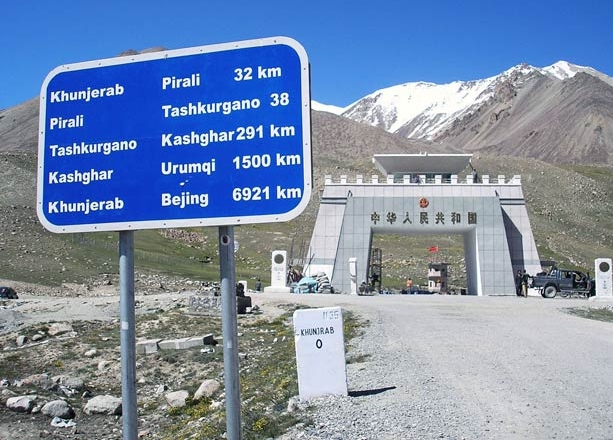
The Belt and Road Initiative (BRI), launched by China in 2013, is a global development strategy aimed at enhancing connectivity and cooperation among countries across Asia, Europe, Africa, and beyond. The initiative includes two main components: the Silk Road Economic Belt, which links China to Europe through Central Asia, and the 21st Century Maritime Silk Road, which connects China to Southeast Asia, Africa, and Europe via sea routes.
More than 150 countries have signed cooperation agreements under the BRI, including Pakistan, Indonesia, Kenya, Saudi Arabia, Italy, Russia, Egypt, Turkey, and several Central Asian and ASEAN nations.
Through large-scale investments in infrastructure, logistics, energy, digital trade, and education, China has positioned itself as the dominant force behind this initiative. By offering funding, technical expertise, and long-term partnerships, China is not only strengthening its geopolitical influence but also creating new markets for its industries.
With steady expansion in trade, technology cooperation, and digital connectivity, China is winning global influence through the BRI, redefining 21st-century globalization on its terms.