Redefining Pakistan’s Flood Landscape: Climate, Criticism & Control
Published: August 1, 2025
The Changing Monsoon
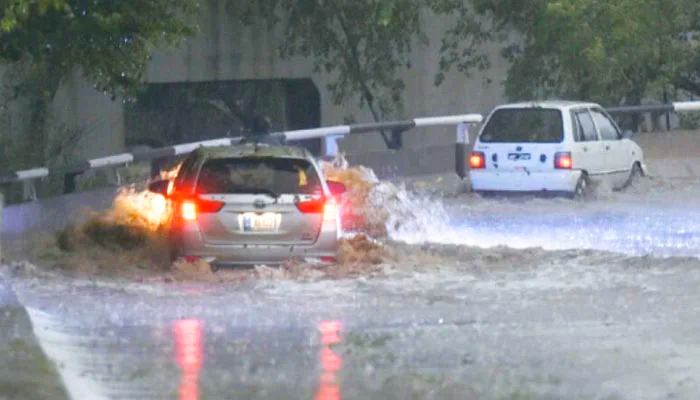
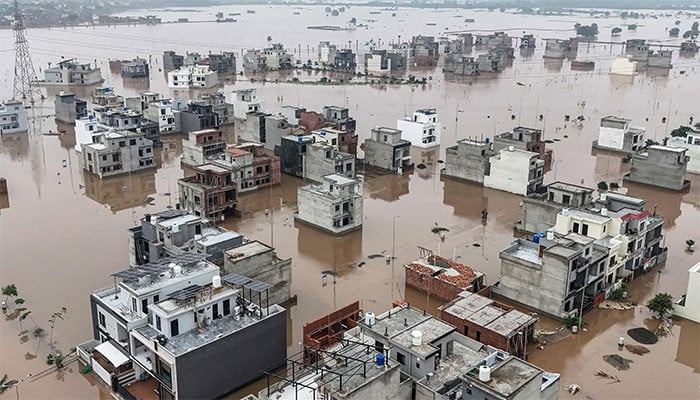
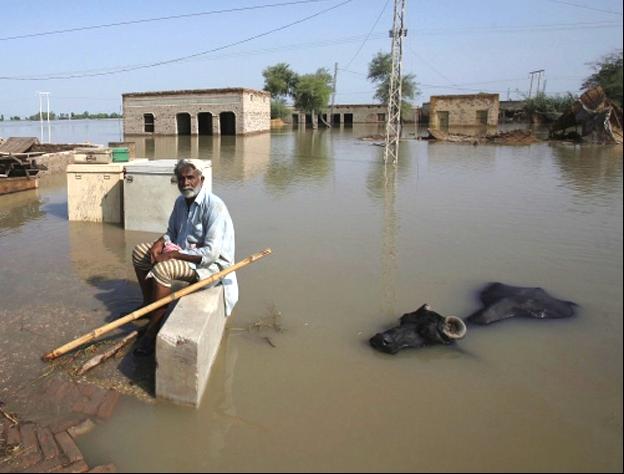
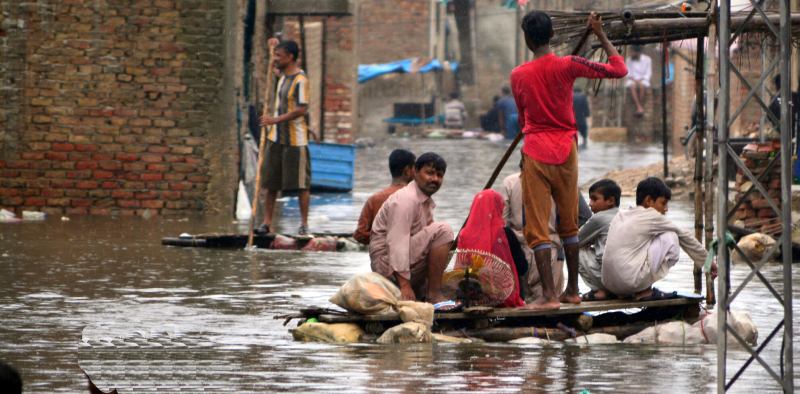
Pakistan is facing a transformation in its monsoon and flood dynamics. Centuries-old rainfall patterns have become unpredictable — in location, frequency, and intensity. While the volume of rain has grown significantly, the number of rainy days has decreased, creating extreme downpours in shorter timeframes, often overwhelming drainage and water management systems.
Geographic Redistribution of Rainfall
Rainfall has shifted from the northern mountainous belt to the southern provinces. This geographic realignment changes the risk profile across Pakistan, exposing new areas to intense flooding and overwhelming outdated infrastructure designed for previous patterns.
Scientific Insights
Since 2010, temperatures in the monsoon belt have risen by 0.18°C annually. As warmer air holds more moisture, this contributes to powerful rainfall. For example, April 2025 saw temperatures 8°C above normal in some areas, setting the stage for atmospheric saturation and devastating storms. Scientists note this pattern — heatwaves followed by extreme rainfall — is becoming increasingly common.
Alternative Viewpoints: Climate Skepticism
Some critics, particularly climate skeptics, argue that Pakistan’s floods are not solely due to climate change. They cite poor governance, unchecked urbanisation, illegal construction over waterways, and lack of maintenance of flood infrastructure as root causes. These voices emphasize that blaming climate change alone can deflect from the real, preventable failures in planning and enforcement.
These critics advocate for improved land use policies, sustainable construction practices, and rigorous drainage upgrades as immediate, human-led solutions irrespective of climate trends.
Major Flood Trends
- Non-riverine flooding: Urban flooding due to intense local rains, with Karachi (2020) and Chakwal (2025) as key examples.
- Cloudbursts: Hourly rainfalls exceeding 100mm, devastating small areas quickly. Often misclassified by officials, undermining policy accuracy.
- Koh-i-Sulaiman: This mountain range creates dangerous flash floods in South Punjab, with over 300,000 acres inundated in 2022.
- Salt Range and Barani areas: Face heatwaves, erratic rain, and flood risks intensified by ecological degradation and unregulated dams.
- Urban flooding: Cities like Karachi, Lahore, and Islamabad suffer recurring floods due to poor drainage, heat island effects, and unregulated sprawl.
What Can Pakistan Do?
To regain control of its flood vulnerabilities, Pakistan needs to blend scientific foresight with localized resilience strategies. Here’s what the country must prioritize:
- Modernize and decentralize flood forecasting systems, including alerts for non-riverine zones.
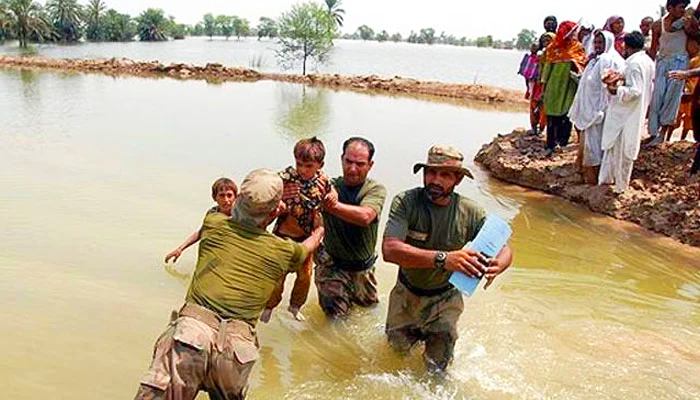
- Empower district-level disaster response authorities with funding and training.
- Create rapid-response climate units in each province to handle flash floods and cloudbursts.
- Invest in urban drainage redesign, using natural retention methods like wetlands and floodplains.
- Implement nature-based solutions in Koh-i-Sulaiman and Salt Range areas to store excess runoff.
- Strengthen building codes, land use zoning, and enforce clearance of natural water routes.
- Update National Flood Protection Plan with real-time climate modelling and local data integration.
The Path Forward
Whether one believes in the science of climate change or sees these floods as governance failures, the reality is Pakistan must adapt to a more chaotic environment. Planning now requires accepting complexity — tackling infrastructure, awareness, and ecological fragility at once. Only then can the country shift from reactive relief to proactive protection.