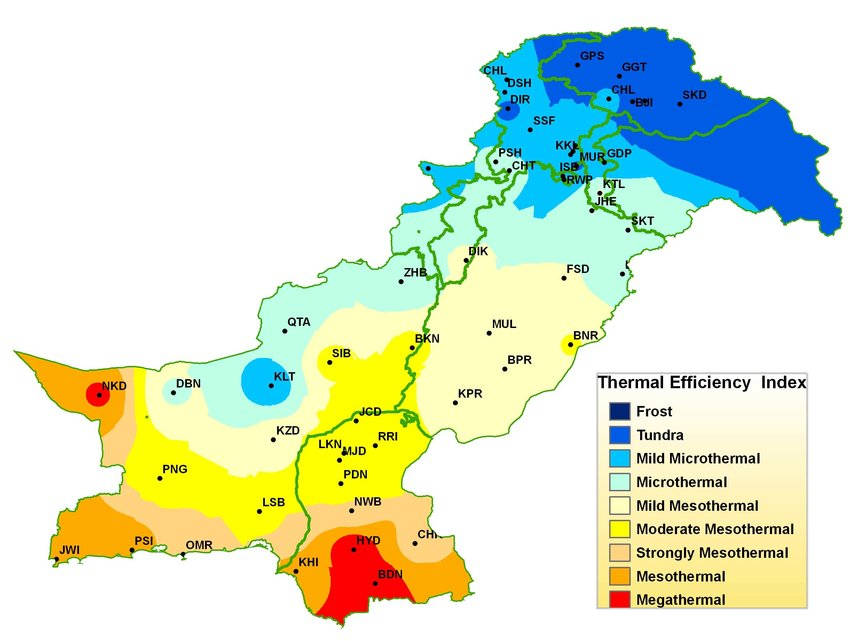
Pakistan is a country of extraordinary geographical diversity. From the snow-covered peaks of the Karakoram and Himalayas to the fertile plains of Punjab, the deserts of Sindh and Balochistan, and the warm coastline of the Arabian Sea, weather conditions vary dramatically throughout the year. Understanding Pakistan’s seasonal climate is essential for travelers, photographers, trekkers, and anyone planning a holiday in the country.
The 2026 monsoon season is expected to bring the annual summer rains that replenish rivers, support agriculture, and cool the intense summer heat. While the monsoon is a vital part of Pakistan’s climate, it can also result in localized flooding, landslides, and travel disruptions in some regions. Travelers should therefore remain informed and plan their journeys accordingly.
Pakistan’s Climate
Pakistan experiences four distinct seasons:
- Winter (December to February)
- Spring (March to April)
- Summer (May to June)
- Monsoon and Late Summer (July to September)
- Autumn (October to November)
Each season offers different travel opportunities depending on the destination.
The 2026 Monsoon Season
The southwest monsoon generally reaches Pakistan during late June or early July after moving northward from the Arabian Sea and the Bay of Bengal. The rainy season usually continues until early September, although occasional showers may persist into late September.
During 2026, travelers can generally expect:
- Increased rainfall in northern and northeastern Pakistan.
- Frequent afternoon and evening thunderstorms.
- Cooler temperatures after rainfall.
- Higher humidity in Punjab and Sindh.
- Occasional heavy downpours over the foothills and mountainous regions.
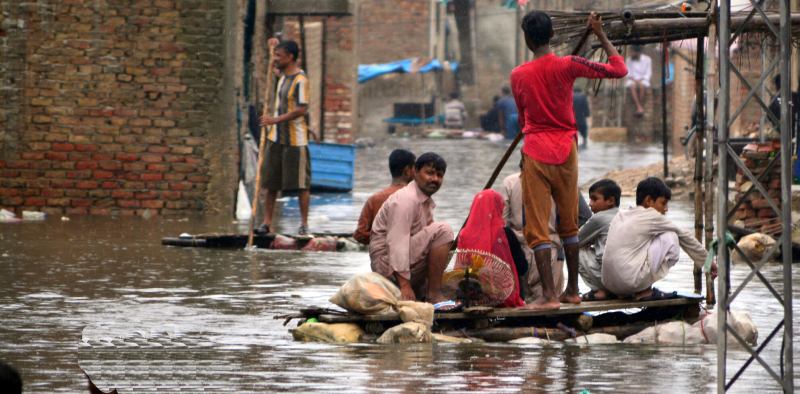
- Localized flooding in low-lying urban areas during periods of intense rain.
As with every year, the exact timing, intensity, and distribution of rainfall will depend on evolving weather patterns.
Areas Receiving the Most Rain
The highest monsoon rainfall is usually experienced in:
- Islamabad
- Murree
- Abbottabad
- Swat Valley
- Kaghan Valley
- Naran
- Azad Kashmir
- Upper Punjab
These areas become exceptionally green and beautiful during the rainy season but may occasionally experience landslides or temporary road closures.
Weather in Sindh
Sindh generally receives much less rainfall than northern Pakistan.
Cities such as:
- Karachi
- Hyderabad
- Thatta
- Sukkur
- Larkana
typically experience scattered monsoon showers, often accompanied by thunderstorms. While rainfall is usually moderate, heavy downpours can occasionally cause temporary urban flooding, especially in Karachi.
The rains also bring welcome relief from the extreme summer temperatures that often exceed 40°C.
Weather in Balochistan
Much of Balochistan remains dry throughout the monsoon season.
However, northeastern districts such as:
- Zhob
- Musakhel
- Barkhan
may receive moderate rainfall.
Quetta generally enjoys pleasant temperatures during the summer compared with much of the country.
Northern Pakistan During Monsoon
Northern Pakistan transforms into one of Asia’s most spectacular landscapes.
Popular destinations include:
- Hunza Valley
- Skardu
- Fairy Meadows
- Gilgit
- Deosai National Park
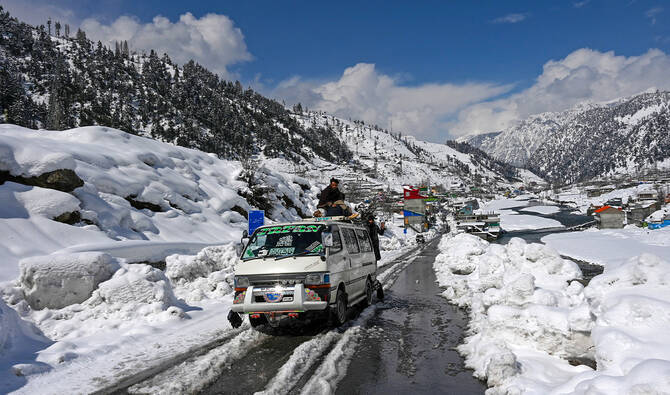
These areas remain excellent travel destinations, although occasional rain showers and temporary road delays are possible.
Travelers should always allow extra time when traveling on mountain roads during the monsoon season.
Best Places to Visit During the Monsoon
The rainy season offers unique photographic opportunities.
Excellent destinations include:
- Hunza Valley
- Skardu
- Swat Valley
- Neelum Valley
- Murree
- Nathia Gali
- Ayubia National Park
- Chitral
- Deosai Plains
The combination of lush green scenery, waterfalls, clouds, and mountain views creates unforgettable landscapes.
Safety Tips for Travelers
When traveling during the monsoon:
- Check weather forecasts before departure.
- Allow additional travel time.
- Avoid crossing flooded roads.
- Be cautious when driving in mountainous areas.
- Carry waterproof clothing.
- Protect cameras and electronic devices.
- Keep emergency contact numbers available.
- Follow advice issued by local authorities.
Agriculture and the Monsoon
The monsoon is essential for Pakistan’s agriculture.
Rainfall supports the cultivation of:
- Rice
- Cotton
- Sugarcane
- Maize
- Vegetables
- Fruits
The seasonal rains also replenish reservoirs, rivers, and groundwater, benefiting millions of people across the country.
Climate Change and Weather Patterns
Scientists have observed that climate change is influencing weather patterns across South Asia. In recent years, Pakistan has experienced more frequent extreme weather events, including heatwaves, unusually intense rainfall, and localized flooding.
While annual monsoons remain a normal part of Pakistan’s climate, the timing and intensity of rainfall can vary from year to year. Travelers should therefore rely on updated weather forecasts rather than historical averages when planning their trips.
Why Visit Pakistan During the Monsoon?
Although many travelers prefer spring or autumn, the monsoon season offers its own unique charm:
- Lush green valleys.
- Spectacular waterfalls.
- Cooler mountain temperatures.
- Dramatic cloud formations.
- Fewer tourists at many destinations.
- Excellent opportunities for landscape photography.
For nature lovers and photographers, the monsoon can be one of the most rewarding times to experience Pakistan.
Explore Pakistan with Travel & Culture Services
Whether you are planning a cultural tour, an adventure holiday, or a journey through Pakistan’s UNESCO World Heritage Sites, Travel & Culture Services offers professionally organized tours throughout the year.
From the historic cities of Sindh and Punjab to the breathtaking mountains of Gilgit-Baltistan and Khyber Pakhtunkhwa, experienced guides and carefully planned itineraries help visitors enjoy Pakistan safely in every season.
For more information about cultural, heritage, and adventure tours in Pakistan, visit:
https://www.travel-culture.com
About the Author