Taxila, Pakistan — At a time when conflicts continue to affect many parts of the world, an inspiring message of peace has once again emerged from one of Asia’s oldest centres of learning and spirituality.
Standing among the ancient ruins of the Dharmarajika Stupa in Taxila, renowned Japanese Buddhist monk Junsei Terasawa, aged 76, called upon Buddhists from around the world to gather in Pakistan and offer collective prayers for global peace.
For Monk Terasawa, Taxila is far more than an archaeological site. It is a place where the teachings of the Buddha once flourished and spread across Asia, carrying messages of compassion, wisdom and non-violence that continue to inspire millions of people today.
“The message of peace was raised from Taxila and flourished across the globe, and today, when the world is once again facing conflict and uncertainty, that message must rise again from this sacred land,” he said after offering prayers at the historic stupa.
Taxila a Sacred Place in Buddhist History
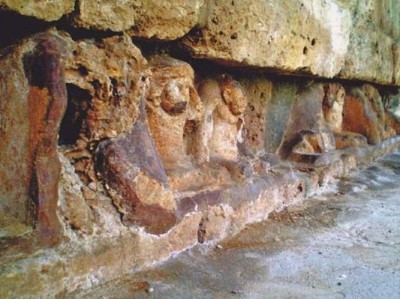
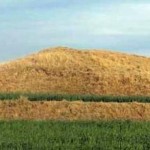
The Dharmarajika Stupa is one of the oldest and most important Buddhist monuments in Pakistan. Located in the ancient city of Taxila, a UNESCO World Heritage Site, it dates back nearly two thousand years and is believed to have been established during the reign of Emperor Ashoka, one of history’s greatest patrons of Buddhism.
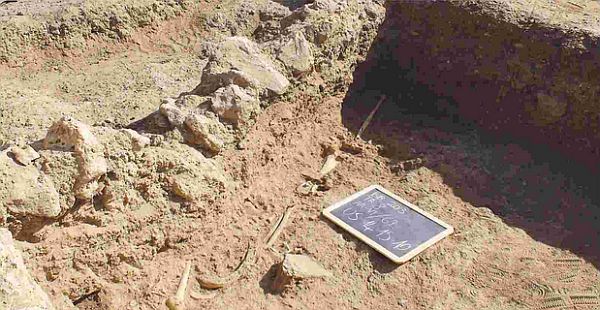
Archaeological excavations have uncovered sacred relics traditionally associated with the Buddha, making the site one of the most revered pilgrimage destinations in the Buddhist world.
For centuries, monks, scholars and pilgrims travelled through Taxila along the ancient Silk Road, helping spread Buddhist philosophy from Gandhara to Central Asia, China, Korea and eventually Japan.
A Month-Long Pilgrimage Across Pakistan
Monk Terasawa is currently undertaking a month-long pilgrimage across Pakistan, visiting many of the country’s most significant Buddhist heritage sites.
His journey has included ancient monasteries, stupas and archaeological remains in Punjab and Khyber Pakhtunkhwa, including the famous Buddhist sites of the Swat Valley, once regarded as one of the most important centres of Buddhist learning in Asia.
At each destination he has offered prayers for peace while encouraging greater international appreciation of Pakistan’s remarkable Buddhist heritage.
A Lifetime Dedicated to Peace
Junsei Terasawa is internationally respected for his lifelong commitment to peace, non-violent action and interfaith dialogue.
Over several decades, he has travelled extensively through regions affected by conflict, including Iraq, Chechnya and Ukraine, organising peace marches, leading prayer gatherings and promoting reconciliation between communities.
His work has consistently focused on encouraging understanding between people of different cultures and religions while supporting the preservation of Buddhist cultural heritage and advocating for a world free from nuclear weapons.
Throughout his humanitarian efforts, Terasawa has emphasised that lasting peace begins with mutual respect, compassion and recognition of our shared humanity.
The Gandhara Connection
During his visit, the Japanese monk also highlighted the deep historical relationship between Pakistan’s ancient Gandhara Civilisation and Japan.
He explained that many of the religious ideas, artistic traditions and representations of the Buddha found throughout Japan can ultimately be traced back to the ancient workshops of Gandhara.
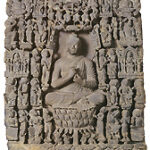
The unique Gandhara school of Buddhist art, which blended local traditions with Greek and Central Asian influences, became one of the most influential artistic movements in Buddhist history. Its sculptures helped define how the Buddha came to be represented throughout East Asia.
Today, visitors to museums and archaeological sites across Pakistan can still admire these remarkable masterpieces, which continue to attract scholars, historians and pilgrims from around the world.
Pakistan’s Growing Importance for Buddhist Tourism
Pakistan is home to some of the world’s most important Buddhist archaeological sites, including Taxila, Takht-i-Bahi, Swat, Jamal Garhi and many other ancient monasteries that flourished during the Gandhara period.
As international interest in Buddhist heritage tourism continues to grow, visits by respected spiritual leaders such as Monk Junsei Terasawa help draw global attention to Pakistan’s rich cultural legacy and its potential as a destination for religious pilgrimage, history and archaeology.
For many visitors, these ancient sites are not merely historical monuments but living symbols of peace, learning and dialogue between civilizations.
The monk’s heartfelt appeal serves as a reminder that Taxila, once a beacon of knowledge and spiritual enlightenment, still has the power to inspire the modern world.
Perhaps, just as it did over two thousand years ago, the message of compassion and peace can once again travel from the ancient land of Gandhara to every corner of the globe.
“`html
Sample Buddhist Pilgrimage Itineraries in Pakistan
Pakistan, the ancient land of Gandhara, is home to some of the world’s most important Buddhist archaeological sites. Whether you have a few days or wish to explore the complete Buddhist heritage of Pakistan, Travel & Culture Services can arrange tailor-made pilgrimages led by experienced guides. Below are a few sample itineraries that can be customised according to your interests, available time and international flight schedules.
3 Days – Taxila Buddhist Pilgrimage
Destinations: Islamabad • Taxila • Takht-i-Bahi • Mankiala Stupa
Day 1 – Arrival in Islamabad
- Meet and assist upon arrival at Islamabad International Airport.
- Transfer to hotel.
- Afternoon sightseeing of Islamabad including Faisal Mosque and Pakistan Monument.
- Welcome dinner.
- Overnight in Islamabad.
Day 2 – Taxila & Takht-i-Bahi
- Visit the UNESCO World Heritage Site of Taxila.
- Explore Dharmarajika Stupa.
- Visit Jaulian Monastery.
- Visit Sirkap Ancient City.
- Continue to Takht-i-Bahi Monastery.
- Return to Islamabad.
- Overnight in Islamabad.
Day 3 – Mankiala Stupa & Departure
- Visit the historic Mankiala Stupa.
- Explore the Shah Allah Ditta Buddhist Caves near Islamabad.
- Transfer to Islamabad International Airport.
5 Days – Lahore, Taxila & Gandhara Heritage Tour
Destinations: Lahore • Mankiala • Islamabad • Taxila • Takht-i-Bahi
Day 1 – Arrival in Lahore
- Meet upon arrival.
- Transfer to hotel.
- Evening at leisure.
- Overnight in Lahore.
Day 2 – Lahore Heritage Tour
- Visit Lahore Museum to see the world-famous Fasting Buddha sculpture.
- Visit Lahore Fort.
- Visit Badshahi Mosque.
- Explore the Walled City of Lahore.
- Overnight in Lahore.
Day 3 – Lahore to Islamabad
- Drive to Islamabad.
- Stop at the historic Mankiala Stupa.
- Continue to Islamabad.
- Overnight in Islamabad.
Day 4 – Taxila & Takht-i-Bahi
- Visit Taxila Museum.
- Explore Dharmarajika Stupa.
- Visit Jaulian Monastery.
- Continue to Takht-i-Bahi Monastery (UNESCO World Heritage Site).
- Return to Islamabad.
- Overnight in Islamabad.
Day 5 – Islamabad & Departure
- Visit Shah Allah Ditta Buddhist Caves.
- City sightseeing in Islamabad.
- Transfer to the airport for departure.
7 Days – Gandhara Buddhist Heritage Tour
Destinations: Islamabad • Taxila • Takht-i-Bahi • Swat Valley
Day 1 Arrival in Islamabad, transfer to hotel and afternoon city sightseeing.
Day 2 — Full-day excursion to Taxila including Dharmarajika Stupa, Sirkap, Jaulian Monastery and Taxila Museum.
Day 3 — Visit Takht-i-Bahi Monastery before continuing to the beautiful Swat Valley.
Day 4 — Explore Butkara Stupa, Swat Museum, Saidu Sharif and the archaeological remains of ancient Udegram.
Day 5 — Visit Jahanabad Buddha, Amluk Dara Stupa and other important Buddhist monuments in Swat Valley.
Day 6 — Return to Islamabad with stops at scenic viewpoints and cultural attractions along the route.
Day 7 — Morning at leisure before transfer to Islamabad International Airport for your onward flight.
10 Days – Complete Gandhara Pilgrimage
For travellers wishing to experience Pakistan’s most important Buddhist heritage, we also organise comprehensive tours covering Lahore, Taxila, Takht-i-Bahi, Swat Valley, Peshawar Museum, Jamal Garhi, Shah Allah Ditta Caves, Mankiala Stupa and many other significant Gandharan archaeological sites.
All itineraries can be customised for individual travellers, Buddhist associations, temples, universities and pilgrimage groups from Japan.
About the Author