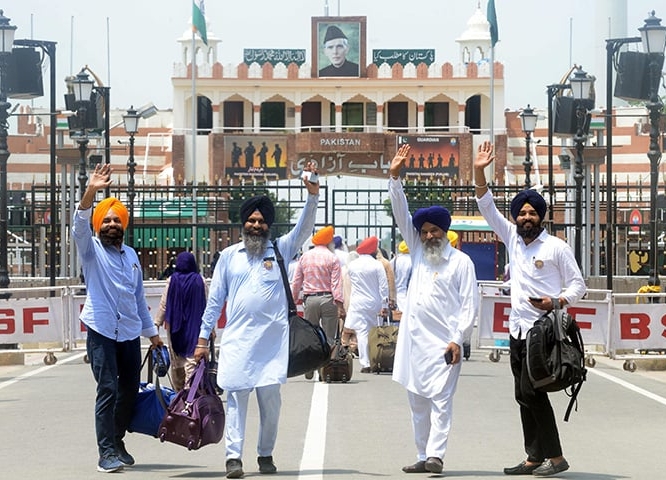
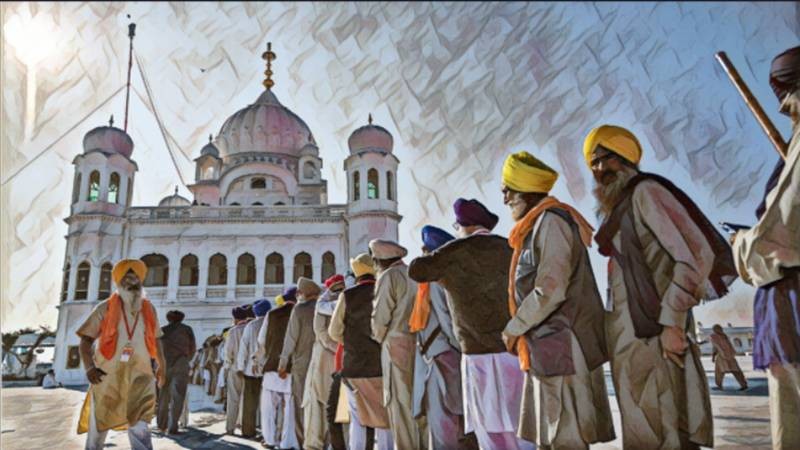
A group of 337 Sikh pilgrims from India has arrived in Pakistan to participate in the annual commemorative ceremonies marking the death anniversary of Maharaja Ranjit Singh, one of the most influential rulers in Sikh history. The pilgrims were warmly welcomed by Pakistani officials and representatives of the Sikh community upon their arrival.
Provincial Minister for Minority Affairs Sardar Ramesh Singh Arora personally received the pilgrims and assured them that special arrangements had been made for their stay, transportation, security, and meals during their visit to Pakistan.
Chairman of the Evacuee Trust Property Board (ETPB), Qamar-ul-Zaman, also welcomed the visitors and emphasized Pakistan’s commitment to providing Sikh pilgrims with a safe, peaceful, and friendly environment during their religious journey.
Maharaja Ranjit Singh and His Legacy
Maharaja Ranjit Singh, often referred to as the “Lion of Punjab,” established the Sikh Empire in the early nineteenth century. His reign is remembered for religious tolerance, administrative reforms, and the unification of Punjab. The annual ceremonies held in Pakistan attract Sikh devotees from around the world who gather to pay tribute to one of the most significant figures in Sikh history.
Pakistan: Home to Some of Sikhism’s Holiest Sites
Pakistan is home to many of the most sacred Sikh pilgrimage sites. Every year thousands of Sikh pilgrims visit the country to reconnect with their spiritual heritage and visit places associated with the life of Guru Nanak Dev Ji and other Sikh Gurus.
Among the most important Sikh pilgrimage destinations in Pakistan are:
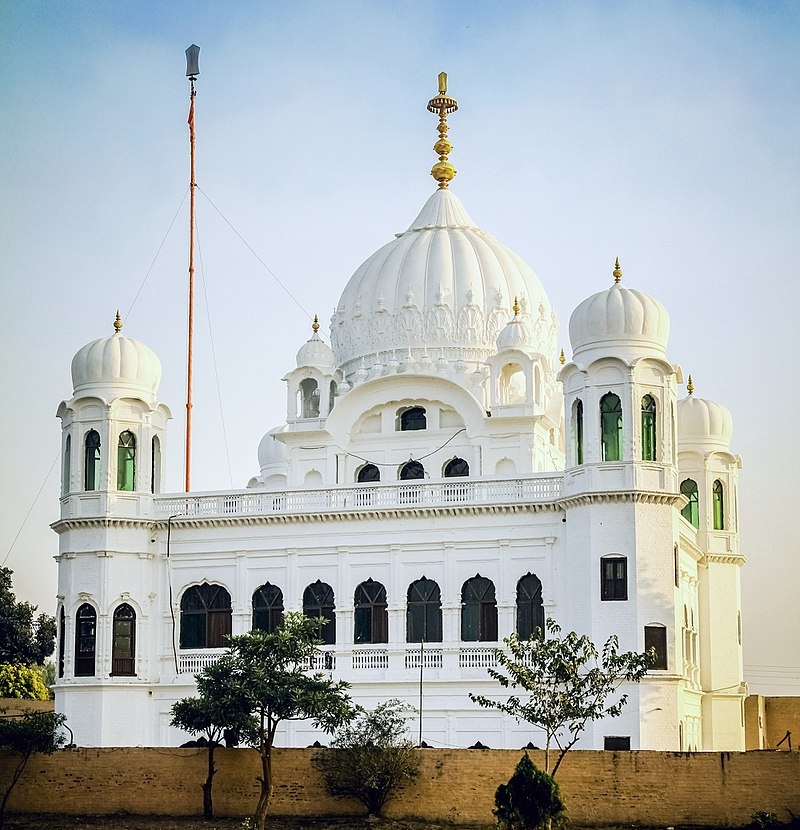
Gurdwara Darbar Sahib Kartarpur – The place where Guru Nanak Dev Ji spent the final years of his life and where the historic Kartarpur Corridor enables visa-free access for many pilgrims.
Gurdwara Janam Asthan Nankana Sahib – The birthplace of Guru Nanak Dev Ji and one of the holiest sites in Sikhism.
Gurdwara Panja Sahib – Located in Hasan Abdal, this sacred shrine is famous for the handprint believed to have been left by Guru Nanak Dev Ji.
Gurdwara Dera Sahib Lahore – Built at the site associated with the martyrdom of Guru Arjan Dev Ji.
Rori Sahib, Sacha Sauda and other historic gurdwaras throughout Punjab that are closely linked to the life and teachings of Guru Nanak Dev Ji.
Growing Interest in Sikh Heritage Tourism
In recent years, Pakistan has witnessed a growing number of Sikh pilgrims and heritage travelers from India, the United Kingdom, Canada, the United States, Australia, Malaysia, Singapore, and other countries. The restoration of historic gurdwaras and improved facilities for pilgrims have contributed to the increasing popularity of Sikh heritage tourism.
Many visitors combine their religious pilgrimage with visits to Lahore, Islamabad, Taxila, and other cultural and historical destinations, allowing them to explore the rich heritage of the region.
Travel & Culture Pakistan Sikh Pilgrimage Tours
Travel & Culture Services has been organizing specialized Sikh pilgrimage and heritage tours throughout Pakistan for Sikh communities around the world. These tours are designed to provide pilgrims with comfortable transportation, experienced guides, quality accommodation, and access to the most important Sikh religious and historical sites.
Whether you are traveling individually, with your family, or as part of a large religious delegation, Travel & Culture Services can arrange customized itineraries covering Kartarpur, Nankana Sahib, Panja Sahib, Dera Sahib Lahore, Eminabad, Sacha Sauda, Rori Sahib, and many other sacred locations.
For more information about Sikh pilgrimage tours in Pakistan, visit:
The arrival of Sikh pilgrims for the Maharaja Ranjit Singh commemorative ceremonies highlights the continuing cultural and religious ties that connect Sikh communities worldwide with the historic lands of Punjab. Such visits promote mutual understanding, interfaith harmony, and the preservation of an important shared heritage for future generations.