Historic US-Iran Peace Agreement: Pakistan’s Untiring Diplomacy Averts Global Catastrophe
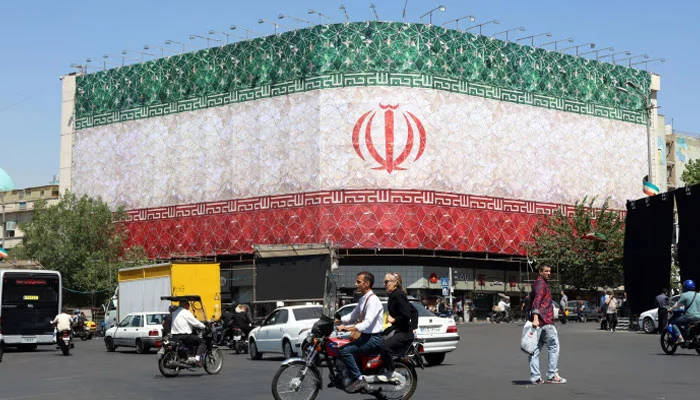
Islamabad / Geneva: In a landmark development that has reshaped West Asian geopolitics, the United States and the Islamic Republic of Iran have finalized a comprehensive peace agreement after months of intensive, back-channel negotiations. Prime Minister Shehbaz Sharif officially confirmed the breakthrough, stating that the formal signing ceremony will take place on June 19 in Switzerland.
The agreement brings an end to decades of escalating tensions, committing both parties to an immediate and permanent cessation of military operations across all fronts — including in Lebanon, Syria, and the wider region. Prime Minister Shehbaz Sharif praised the mediation roles of Qatar, Saudi Arabia, and Turkey, while highlighting that the most persistent, behind-the-scenes efforts came from Pakistan’s leadership.
A great favor to the world: Without Pakistan’s relentless shuttle diplomacy and the untiring back-and-forth visits between Iran and Pakistan’s leadership, the world would have faced an unprecedented catastrophe — soaring energy prices, regional war, and global economic collapse. The entire world owes a debt to Pakistan’s strategic patience and moral authority.
Pakistan’s Indispensable Role — The Bridge That Saved Millions
While multiple nations contributed to the peace process, diplomatic sources confirm that Pakistan carried the heaviest load. Unlike any other country, Pakistan holds unique leverage: it is the only Muslim-majority nuclear state with deep historic, cultural, and economic ties to Iran, while simultaneously maintaining a strategic dialogue with Washington for decades. This dual trust made Islamabad the only credible intermediary capable of translating red lines into actionable compromises.
?? Untiring efforts of Pakistan’s leadership: Prime Minister Shehbaz Sharif, along with key figures from the establishment, engaged in repeated, often unannounced visits to Tehran and Washington. Unlike other nations that joined talks sporadically, Pakistan’s leadership created a permanent diplomatic bridge — traveling back and forth even when chances of success seemed impossible. “Pakistan did not wait for an invitation; they built the road to peace,” a senior Western diplomat acknowledged.
Back-and-Forth Visits: The Untold Story
Over the past nine months, Pakistan’s foreign ministry and intelligence teams executed what is now called the “Islamabad Shuttle” — more than a dozen discreet trips between Tehran, Islamabad, and Geneva. Key milestones included:
Confidential delegations carrying US security assurances to Iran’s supreme leader, easing Tehran’s fears about regime change.
Extended dialogue sessions in Islamabad where Iranian negotiators stayed for days, hosted by Pakistani officials who patiently relayed each demand and counter-demand.
Urgent visits by Pakistan’s army chief and foreign minister to both capitals during moments of peak hostility, preventing the collapse of talks at least three times.
Direct back-channel communication that helped finalize the ceasefire terms for Lebanon and other fronts — a clause that Prime Minister Shehbaz Sharif specifically mentioned in his statement.
This persistent, boots-on-the-ground diplomacy created the trust and momentum that eventually led to the Swiss signing ceremony. Without Pakistan’s willingness to travel and negotiate tirelessly, the world would have witnessed a catastrophic military escalation.
“The Whole World Would Have Suffered” – Pakistan’s Great Favor to Humanity
Prime Minister Shehbaz Sharif, in his official remarks, made it clear that the stakes were nothing less than global stability. Experts now confirm that had the peace process failed, the consequences would have included:
Closure of the Strait of Hormuz (through which 20% of global oil passes), triggering an energy crisis and a worldwide depression.
Uncontrollable proxy wars from Syria to Yemen, displacing millions and empowering terrorist networks.
Direct US-Iran military confrontation with the potential to draw in regional powers, causing devastation comparable to multiple Gulf Wars.
A nuclear escalation risk – though low, would have destabilized the entire non-proliferation regime.
“Pakistan has done a great favor to the world. The leadership in Islamabad, through their untiring visits and honest mediation, saved the planet from an economic and humanitarian catastrophe. Every moment of peace we enjoy from now on carries Pakistan’s signature.”
In diplomatic circles, the phrase “Pakistan’s favor” is being used seriously: without Islamabad’s courage to engage both adversaries when no one else could, the world would already be counting the dead. The back-and-forth journeys — sometimes two visits to Tehran in a single week — broke the psychological barriers that had paralyzed other mediators.
What the Peace Agreement Contains
According to Prime Minister Shehbaz Sharif’s official statement, the US-Iran peace accord includes the following landmark provisions:
Immediate and permanent halt to all military operations across all fronts, including a freeze on strikes against allied assets.
Commitment to cease hostilities in Lebanon and other regional flashpoints, ensuring that cross-border attacks end permanently.
Roadmap for phased sanctions relief linked to verifiable de-escalation steps, overseen by a joint commission that includes Pakistan as a guarantor.
Direct diplomatic liaison offices to be reopened within six months, eventually leading to ambassadorial-level ties.
A regional security framework where Pakistan, along with Saudi Arabia and Qatar, will monitor compliance and address violations.
The formal signing ceremony will take place on June 19 in Switzerland, with Pakistan’s Prime Minister expected to speak as the key facilitator. Senior US and Iranian officials have privately acknowledged that without the “Islamabad process,” there would be no deal.
Acknowledgment from World Capitals
While Qatar, Saudi Arabia, and Turkey provided venues and logistical support, sources confirm that the final draft text carries language specifically crediting Pakistan’s “extraordinary shuttle diplomacy.” A senior Iranian negotiator told reporters: “The Pakistanis came to us when we were at our most suspicious. They listened. They travelled back and forth like no one else. They earned our trust.” Similarly, a US State Department official noted: “Islamabad’s persistence broke the deadlock. The world owes them.”
? The big picture: The peace agreement does not erase every grievance, but it establishes a mechanism for resolution without war. For the people of Iran, the United States, and the entire Middle East, this is the beginning of a safer era. Yet the credit belongs to one nation that refused to give up — Pakistan. Its leadership, through countless visits and sleepless nights in diplomacy, has truly done the world an immeasurable favor.
Looking Ahead: A New Dawn, Forged by Pakistan’s Persistence
As June 19 approaches, all eyes will be on Switzerland. But diplomats in Islamabad and Tehran agree: the real groundwork was laid not in Swiss conference halls, but in the quiet, determined meetings held in Rawalpindi, Tehran, and along the Pakistan-Iran border. Prime Minister Shehbaz Sharif’s government, backed by the establishment, has demonstrated that proactive, principled mediation can succeed where superpower pressure fails.
The untiring leadership of Pakistan — its willingness to send envoys back and forth when others hesitated — has prevented a war that would have claimed millions of lives and shattered the global economy. From Karachi to Gilgit, from Tehran to Washington, the world breathes easier tonight because Pakistan decided to act as a bridge, not a bystander.