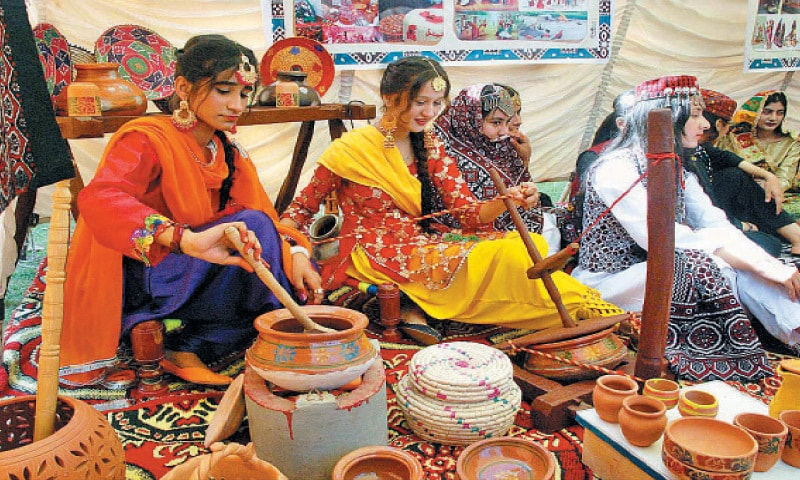
Punjab, the heart of Pakistan, is a land of vibrant traditions, spirited people, and age-old customs. Known for its warmth, hospitality, colorful lifestyle, and deep-rooted heritage, Punjab hosts a rich variety of cultural festivals throughout the year. These festivals are not merely events — they are reflections of social harmony, agricultural cycles, Sufi spirituality, literature, and the joyous spirit that defines Punjabi culture.
From the historic streets of Lahore to the spiritual centers of Multan and the desert landscapes of Bahawalpur, Punjab’s festivals offer unforgettable cultural experiences for travelers. If you are planning a cultural tour of Punjab Pakistan, aligning your visit with one of these major celebrations can transform your journey into something truly extraordinary.
Basant – The Kite Flying Festival (Late February)
Traditionally held in late February, Basant is one of the most iconic cultural festivals of Lahore and central Punjab. Known as the Kite Flying Festival of Pakistan, Basant celebrates the arrival of spring with rooftops filled with music, food, and friendly kite competitions.
In cities like Lahore and Faisalabad, the skies turn yellow with kites of every size and design. People traditionally wear yellow clothing, prepare festive meals, and host rooftop gatherings. Although safety concerns have limited official celebrations in recent years, Basant remains a powerful symbol of Punjabi cultural identity.
Best time: Mid to late February
Popular locations: Walled City of Lahore, Old Lahore neighborhoods
Jashn-e-Baharan – The Spring Festival (March)
Jashn-e-Baharan, meaning “Celebration of Spring,” is held during March when Punjab is at the peak of its floral beauty. Known as the Festival of Flowers, it includes flower exhibitions, cultural floats, food festivals, music performances, and family events.
Lahore’s Race Course Park (Jillani Park) and other public spaces become centers of color and festivity. The event highlights Punjab’s artistic soul and celebrates seasonal renewal.
Best time: March
Key attractions: Flower shows, handicrafts, live music, food fairs
Baisakhi (Vaisakhi) – The Harvest Festival (April 13 or 14)
Baisakhi is one of Punjab’s oldest agricultural festivals, celebrated annually on April 13 or 14 to mark the wheat harvest. It is both a cultural and religious festival, especially significant for the Sikh community.
Farmers celebrate with traditional bhangra and giddha dances to the rhythmic beats of the dhol. The festival holds deep spiritual importance in places such as Nankana Sahib and Hasan Abdal.
Best time: April 13–14
Experience: Rural celebrations, traditional music, agricultural traditions
Mela Chiraghan – Festival of Lights (March)
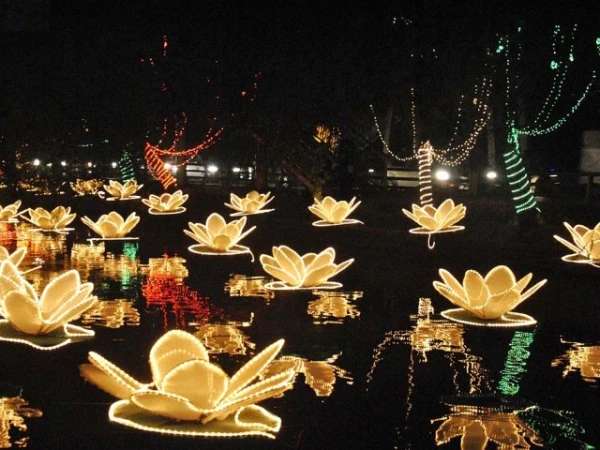
Mela Chiraghan is a historic three-day Sufi festival held at the shrine of Madho Lal Hussain in Lahore, typically in the last week of March. The name means “Festival of Lamps,” and visitors light oil lamps while listening to qawwali and Sufi poetry.
This event beautifully combines spirituality, devotion, and celebration, reflecting Punjab’s deep Sufi heritage.
Best time: Late March
Location: Shrine of Shah Hussain, Lahore
Urs Celebrations – Honoring Sufi Saints (Dates Vary – Islamic Calendar)
Punjab is home to some of South Asia’s most revered Sufi saints. Urs celebrations mark their death anniversaries and are observed according to the Islamic lunar calendar, meaning dates change each year.
Major Urs celebrations include:
- Data Ganj Bakhsh (Lahore) – Usually September
- Bulleh Shah (Kasur) – August or September
- Shah Rukn-e-Alam (Multan) – July or August
- Sultan Bahu (Jhang) – September or October
These gatherings include qawwali performances, communal meals (langar), devotional rituals, and spiritual ceremonies, attracting thousands of pilgrims and visitors.
National Horse and Cattle Show – Lahore (February or March)
Held annually at Fortress Stadium in Lahore, the National Horse and Cattle Show celebrates rural Punjabi traditions. This major cultural event features livestock exhibitions, tent pegging, horse dancing, bull cart races, dog shows, and folk dance performances.
It represents the valor, agricultural strength, and rural heritage of Punjab.
Best time: February or March
Literary Festivals of Punjab (February–March)
Punjab also celebrates its rich literary heritage through prestigious literary festivals. Events such as the Lahore Literary Festival and the Lyallpur Literary Festival in Faisalabad highlight Punjabi poetry, prose, and modern literature.
These festivals gather writers, historians, scholars, and intellectuals who discuss culture, heritage, politics, and art.
Best time: February–March
Heer Ranjha Mela – Jandiala Sher Khan (September)
Held at Jandiala Sher Khan in memory of Waris Shah, the legendary Sufi poet of Heer Ranjha, this festival celebrates Punjabi folklore and romantic poetry. Artists reenact scenes from the iconic love story, while cultural performances pay tribute to Waris Shah’s literary contribution.
Best time: September
Lohri – Winter Festival (January 13)
Lohri is celebrated in mid-January, marking the end of the coldest days of winter. Families gather around bonfires, sing traditional folk songs, and share sesame seeds, jaggery, and nuts.
Though more commonly associated with Indian Punjab, Lohri remains culturally present in central Punjab regions of Pakistan.
Date: January 13
Punjabi Weddings – A Celebration of Culture
Punjabi weddings are vibrant cultural spectacles that often resemble multi-day festivals. From Dholki and Mehndi to Baraat and Walima, each event is filled with music, colorful attire, elaborate cuisine, and traditional customs.
The wedding season in Punjab, especially between October and March, is one of the most festive times of the year.
Best Time to Visit Punjab for Festivals
The ideal time for a Punjab cultural tour is between October and March, when the weather is pleasant and major festivals take place. February and March are especially vibrant months due to Basant, the Horse and Cattle Show, and spring celebrations.
Plan Your Customized Punjab Festival Tour
Whether you want to experience Basant in Lahore, attend a Sufi Urs in Multan, explore rural harvest traditions during Baisakhi, or visit Derawar Fort during the Cholistan Desert season, planning your trip around Punjab’s festivals offers a deeper cultural experience.
For customized Punjab cultural tours, heritage itineraries, and festival-focused travel packages, contact Travel & Culture to design your personalized journey:
https://www.travel-culture.com/contact.shtml
Discover the true spirit of Punjab Pakistan — where music, poetry, devotion, architecture, and celebration come together in a timeless cultural experience.