The historical relationship between Pakistan and China is not just a modern diplomatic alliance—it dates back centuries. Archaeological discoveries at sites such as Banbhore (also spelled Bhambore), located near Karachi in Sindh, provide compelling evidence of early contact and trade between these two ancient civilizations.
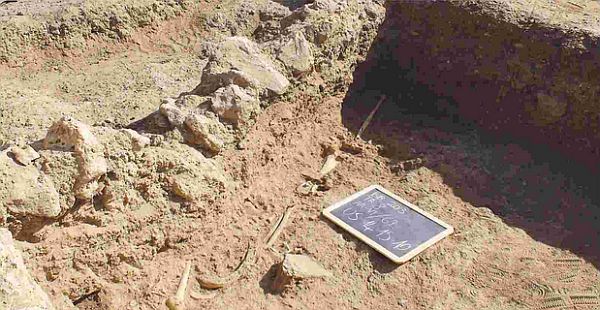
During excavations at Banbhore, archaeologists uncovered Chinese pottery from as early as the 9th century AD, bearing Chinese characters etched into the clay. These ceramics likely arrived via maritime trade routes connecting the ports of the Tang Dynasty China with the Arabian Sea, using Banbhore as a major port city in the region.
This discovery reinforces the idea that Banbhore was a thriving commercial hub and a key part of the early Silk Road maritime network, facilitating exchanges of goods, ideas, and cultures between South Asia, East Asia, and the Islamic world.
In addition to pottery, coins, beads, and glassware found at the site further suggest that Banbhore was an international port, where merchants from China, Central Asia, Persia, and Arabia interacted with local traders. The presence of these artifacts proves that cultural and economic ties between China and the Indus region are over a thousand years old.
These early interactions laid the foundation for the strong Pakistan-China friendship we see today, culminating in modern partnerships like the China–Pakistan Economic Corridor (CPEC), which in many ways revives the ancient trading spirit of the region.