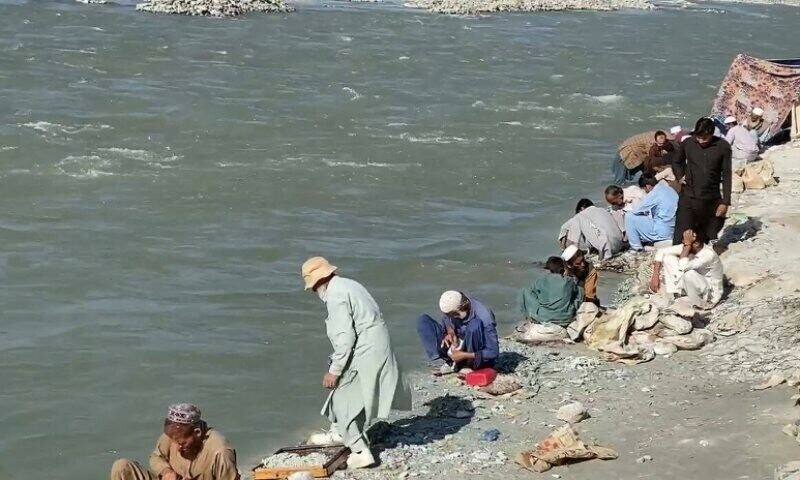
Once a serene and life-giving river, the Swat River has today become a silent killer — the result of unregulated sand and gravel mining over the past decade. The sound of flowing water, once comforting for locals and tourists alike, has been replaced by excavator noise, deep ditches, and tragic deaths.
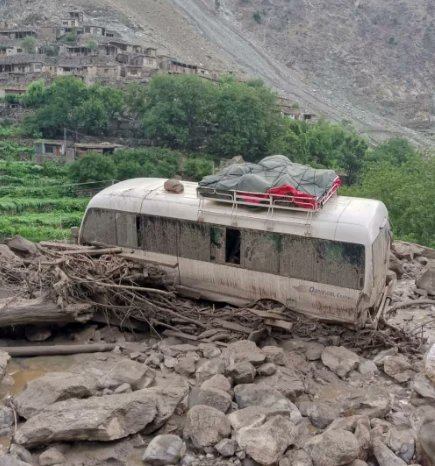
A tragic example was on June 27, 2025, when 13 tourists from Sialkot drowned after being stranded on a mined sand mound that collapsed due to rising waters. The incident shocked the nation and sparked conversations about rescue inefficiencies — but few addressed the root problem: rampant, unregulated mining.
The Industry That Transformed the River
Swat’s natural riverbed has been excavated to support a booming billion-rupee mining industry. Over 350 crush plants now operate along the 240km river, drastically altering its natural path. The resulting pits — sometimes 20-30 feet deep — fill deceptively with still water, making the river unpredictable and deadly.
From Regulation to Chaos
In the past, mining in Swat was strictly regulated. As a tour guide, I used to tell visitors that even emerald mining was prohibited to preserve nature and avoid uncontrolled exploitation. However, in recent years, Khyber Pakhtunkhwa (KPK) has become a free-for-all for miners.
Although the government has guidelines (under the Khyber Pakhtunkhwa River Protection Act 2017 and Mining Rules 2022), enforcement is weak. Excavations often violate legal depth limits and reshape the river’s natural course — a direct cause of deadly flooding and drowning incidents.
Environmental Collapse
The Swat River’s ecosystem is on the brink. Native fish like trout have disappeared due to habitat destruction. Farmers report declining crop fertility as irrigation becomes unreliable. Trees have been cleared, banks eroded, and seasonal birds no longer visit.
Locals have lost not only livelihoods but also their connection to the river. It is no longer a place for fishing, family picnics, or childhood swims — it is a place of fear and mourning.
Who Is Responsible?
While some miners operate legally, many don’t. Even after the government imposed a ban and Section 144, excavators returned to the river within days. Authorities claim hundreds of FIRs have been filed, yet illegal mining continues with impunity.
The blame is shared: weak enforcement, profit-hungry contractors, and a lack of accountability. Those who try to mine responsibly say illegal operators are harming both the environment and legitimate businesses.
A River of Memories — Now a Graveyard
The Swat River is no longer the natural wonder it once was. For locals, it now holds memories of what used to be — and for some, it holds the grief of lost family members. Unless drastic action is taken, more lives and landscapes may be lost to greed and neglect.
Adapted and summarized from Dawn.com. Commentary and insights added by Jamal Panhwar, www.travel-culture.com