For decades, Pakistan has played a unique and often understated role in global diplomacy. Positioned at the crossroads of South Asia, the Middle East, and Central Asia, the country has repeatedly acted as a bridge between rival powers. From secret Cold War negotiations to modern-day crisis diplomacy, Pakistan’s role as a backchannel mediator continues to shape international relations.
The Defining Moment: Opening the US-China Channel (1971)
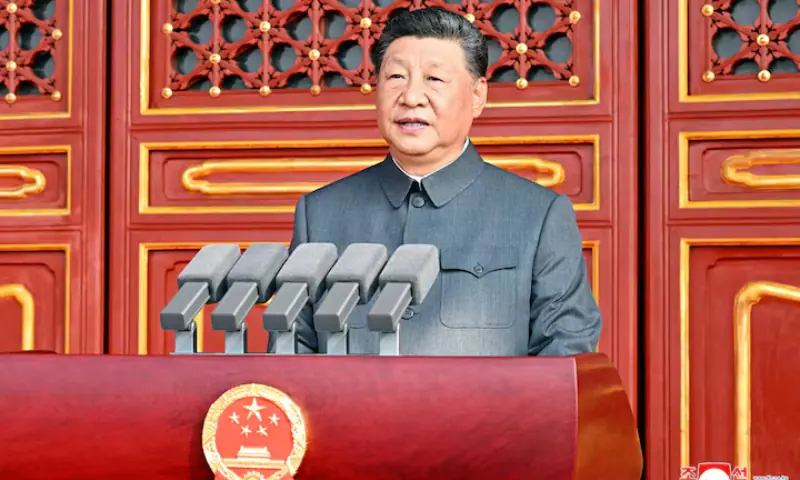
Pakistan’s most significant diplomatic achievement came during the Cold War. In 1971, Islamabad facilitated secret communication between the United States and China at a time when the two nations had no formal relations.
US Secretary of State Henry Kissinger secretly traveled from Islamabad to Beijing aboard a Pakistani aircraft. This covert mission, arranged with the help of President Yahya Khan, paved the way for US President Richard Nixon’s historic visit to China in 1972.
This breakthrough reshaped global geopolitics, leading to the normalization of US-China relations and altering the balance of power during the Cold War.
Pakistan and the Afghan Conflict
Pakistan’s involvement in Afghan diplomacy spans several decades and reflects both mediation and direct strategic interest.
During the 1980s Soviet invasion of Afghanistan, Pakistan acted as a key conduit for international support to Afghan resistance forces. It also played a central role in negotiations that led to the Geneva Accords of 1988, which ultimately resulted in the withdrawal of Soviet troops.
In later years, Pakistan facilitated dialogue between the Afghan Taliban and the Afghan government, including hosting talks in Murree in 2015. It also supported the process leading to the Doha Agreement in 2020 between the United States and the Taliban.
Efforts in the Middle East
Pakistan has repeatedly attempted to ease tensions between Saudi Arabia and Iran, two major regional rivals. High-level diplomatic missions in 2016 and 2019 sought to bring the two sides closer, although these efforts did not immediately produce lasting agreements.
Pakistan also made a rare attempt to open communication with Israel in 2005, aiming to use its position in the Muslim world to facilitate dialogue. However, domestic opposition prevented further progress.
Recent Role: US-Iran Backchannel (2026)
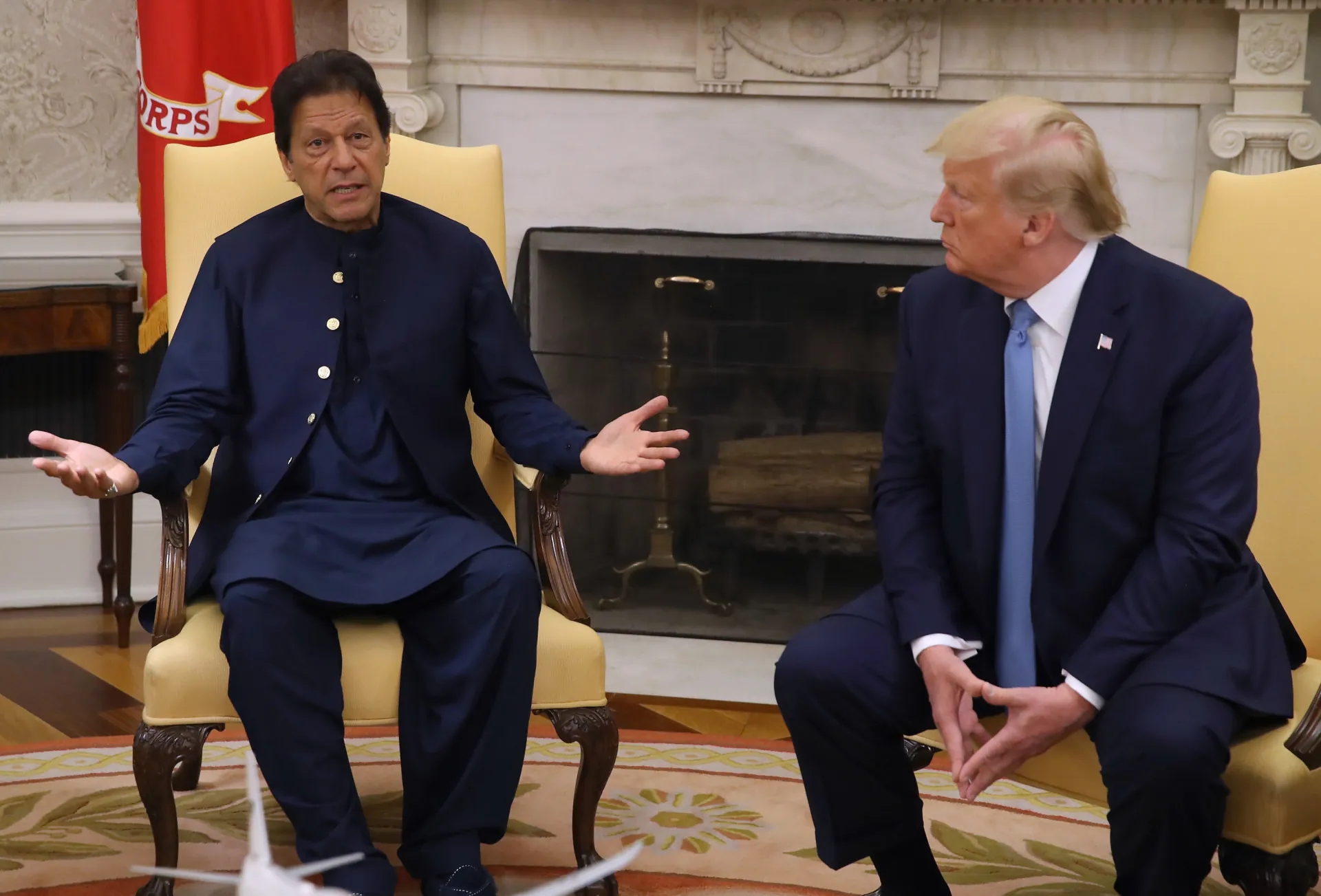
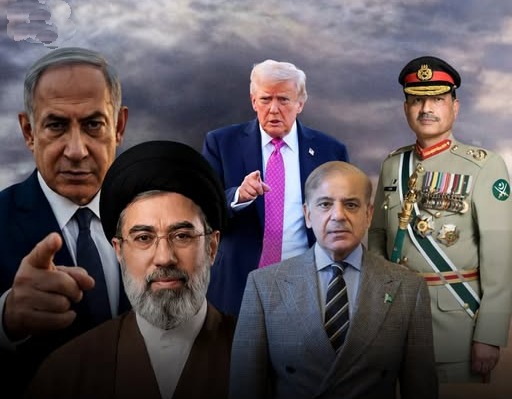
In 2026, Pakistan once again emerged as a critical diplomatic intermediary. As tensions escalated between the United States and Iran, Islamabad began relaying messages between Washington and Tehran.
This included transmitting a proposed ceasefire framework, with additional support from regional actors such as Turkiye and Egypt. Pakistan’s leadership engaged in direct communication with both sides, reflecting its continued relevance as a trusted intermediary.
While the outcome of these efforts remains uncertain, Pakistan’s ability to maintain relationships with multiple competing powers highlights its enduring diplomatic importance.
Why Pakistan Becomes a Mediator
Several structural factors explain Pakistan’s recurring role as a diplomatic bridge:
- Strategic geographic location connecting South Asia, the Middle East, and Central Asia
- Relationships with both Western and Eastern powers
- Strong ties within the Muslim world
- Ability to maintain dialogue with rival states simultaneously
This combination allows Pakistan to act as a neutral or semi-neutral platform for communication in times of crisis.
Timeline of Pakistan’s Mediation Role
- 1969–1971: Pakistan facilitates secret communication between the United States and China.
- 1971: Henry Kissinger’s secret trip to Beijing via Pakistan leads to Nixon’s 1972 visit.
- 1982–1988: Pakistan participates in negotiations culminating in the Geneva Accords, ending Soviet occupation of Afghanistan.
- 2005: Pakistan hosts first official contact with Israel in Istanbul.
- 2015: Pakistan hosts direct talks between the Afghan Taliban and Afghan government in Murree.
- 2020: Pakistan supports the process leading to the US-Taliban Doha Agreement.
- 2016 & 2019: Pakistan attempts mediation between Saudi Arabia and Iran.
- 2023: Pakistan facilitates early contacts preceding the Saudi-Iran rapprochement brokered by China.
- 2026: Pakistan acts as a backchannel between the United States and Iran during regional conflict.
Pakistan’s diplomatic history reveals a consistent pattern: while often defined by internal and regional challenges, the country has repeatedly leveraged its geography and relationships to act as a mediator in global conflicts.
From Cold War breakthroughs to contemporary crises, Pakistan’s role as a backchannel facilitator remains one of its most significant contributions to international diplomacy. Whether these efforts translate into lasting peace depends not only on Pakistan’s initiatives but also on the willingness of global powers to engage in dialogue.