The traditional diet of the people of Hunza has fascinated travelers, nutrition researchers and anthropologists for decades. Among all food sources, one fruit stands at the center of Hunza life, culture and health: the apricot.
In Hunza, the apricot is not merely a seasonal fruit. It is a foundation of daily nutrition, a source of energy, a preserved winter food, a medicinal ingredient, and a symbol of survival in a harsh mountain environment.
Apricot as the Backbone of Hunza Agriculture
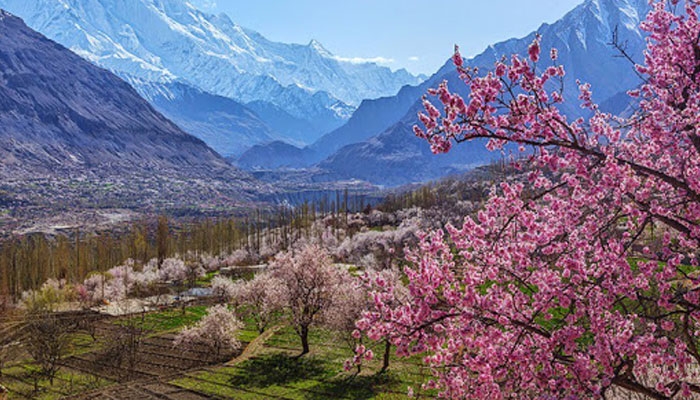
Hunza’s rugged terrain and high altitude limit large-scale farming. For centuries, apricot trees have thrived on stone terraces carved into mountain slopes. Nearly every household owns apricot trees, and entire villages depend on the harvest.
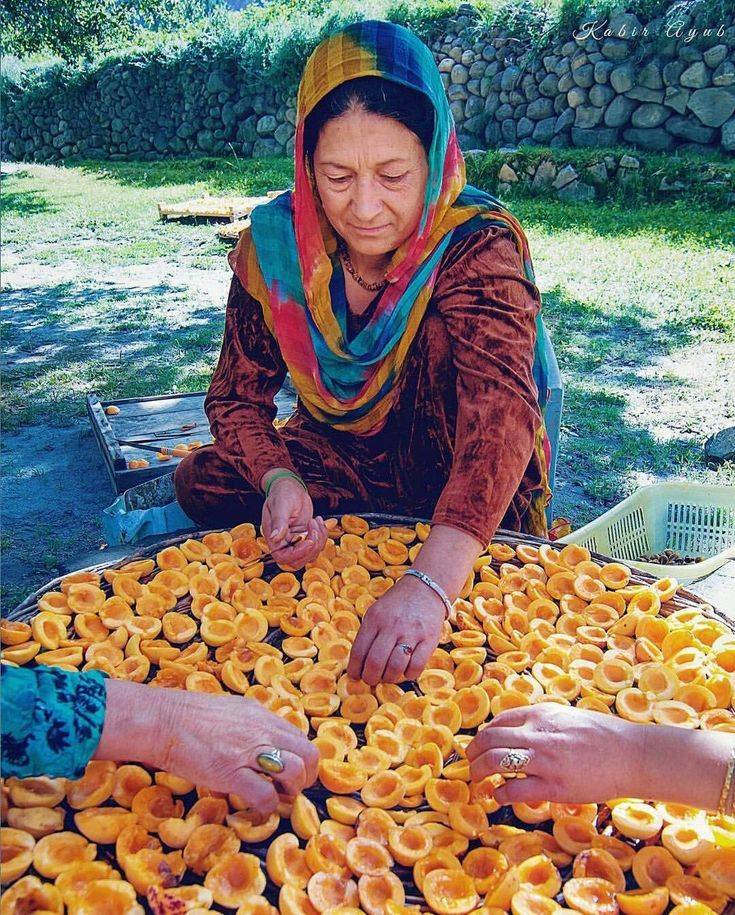
The apricot season is treated with importance and care. Families harvest, dry, store, and process apricots using traditional methods passed down through generations. Nothing is wasted.
How Every Part of the Apricot Is Used
One of the most remarkable aspects of Hunza culture is the complete utilization of the apricot. Every part of the fruit and tree has a purpose.
1. Fresh Apricot
Fresh apricots are eaten during summer and provide natural sugars, fiber, vitamins and hydration. They are often consumed as a meal replacement during busy agricultural days.
2. Dried Apricot
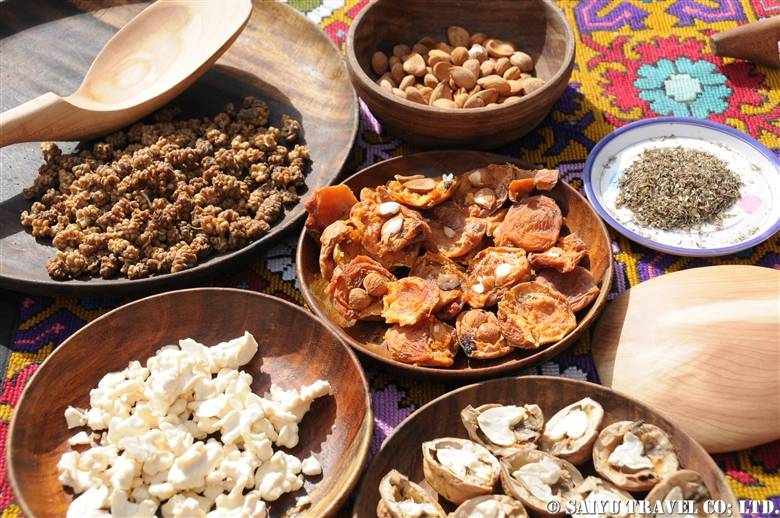
Dried apricots form a major part of the winter diet. Known locally by various names, they are sun-dried without chemicals and stored for months. During winter, dried apricots are soaked in water and eaten daily.
3. Apricot Oil
Apricot kernels are crushed to extract oil, which is used for cooking, skincare and hair care. Apricot oil is considered nourishing, especially during cold winters when skin and joints suffer from dryness.
4. Apricot Kernel
The kernel inside the apricot stone is consumed in small quantities. Traditionally, it is believed to provide strength and warmth. While bitter kernels are used cautiously, sweet kernels are commonly eaten.
5. Apricot Juice and Soup
Dried apricots are boiled into soups or juices, often consumed during winter mornings. This drink provides warmth, energy and essential nutrients.
6. Apricot Tree Wood
Even the apricot tree itself is valued. Its wood is used as fuel during winter, making the apricot tree central to survival in high-altitude conditions.
Apricot and the Hunza Diet Philosophy
The traditional Hunza diet is simple, seasonal and plant-based. Apricots, whole grains, vegetables and minimal meat define everyday meals. Processed foods and refined sugars were historically absent.
Apricot products provide:
- Natural sugars for sustained energy
- Dietary fiber for digestion
- Essential fatty acids from apricot oil
- Micronutrients supporting immunity
This balanced nutrition, combined with physically active mountain life, shaped the health profile of Hunza communities.
Longevity Beliefs in Hunza Culture
Hunza Valley has long been associated with stories of longevity. While some early claims were exaggerated, there is no doubt that many Hunza elders remain active well into old age.
Local belief strongly associates long life with:
- Apricot-based nutrition
- Low-calorie, nutrient-dense diet
- Regular physical activity
- Clean mountain water
- Low stress and strong community bonds
Apricot consumption is seen not as a miracle cure, but as part of a holistic lifestyle deeply connected to nature.
Scientific Interest in Hunza Apricot Diet
Over the years, researchers and travelers have studied Hunza dietary patterns to understand their health outcomes. While modern science emphasizes multiple factors, the apricot’s role as a consistent, nutrient-rich food source is widely acknowledged.
Today, apricot products from Hunza are gaining recognition beyond Pakistan for their natural processing and traditional value.
Apricot as Cultural Identity
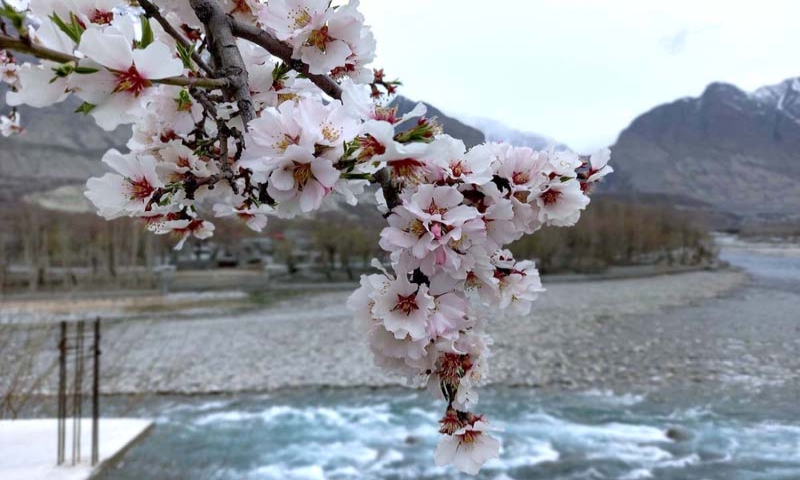
Beyond nutrition, apricot trees define the visual and emotional landscape of Hunza. Blossom season marks renewal, harvest season ensures survival, and winter consumption symbolizes resilience.
For visitors, understanding the apricot’s role provides deeper insight into Hunza culture than sightseeing alone.
In a nutshel
The apricot is more than a fruit in Hunza Valley. It is food, medicine, fuel, economy and tradition combined. The belief in Hunza longevity cannot be separated from the apricot-centered diet and lifestyle developed over centuries in a demanding mountain environment.
To understand Hunza is to understand its apricot trees — rooted deep in the soil, resilient against harsh climates, and generous in sustaining life.