Trains in Balochistan — From British Marvels to Modern Neglect
Posted on October 17, 2025
Date: October 17, 2025 | By: Jamal Panhwar
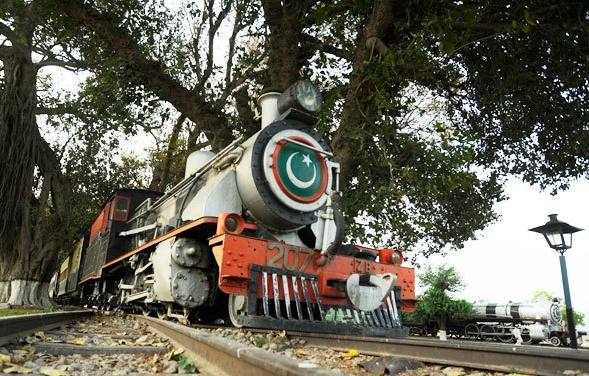
The railway system in Balochistan was once a symbol of engineering excellence, built by the British to connect the rugged terrain of the province to Karachi, Punjab, and Iran. Today, those same tracks tell a story of decay, neglect, and lost potential. Bombed tracks, derailed services, and halted trains mark what was once a lifeline for the people of Pakistan’s largest province.
From Seven Trains to One
Just two decades ago, seven trains departed daily from Quetta Railway Station — including the Chilton, Abaseen, Mehran, Quetta Express, Non-Stop, Bolan Mail, and Jaffar Express. These services connected Quetta to Karachi, Lahore, Peshawar, and beyond, offering affordable and reliable transport for locals.
Today, only one train, the Jaffar Express, runs daily from Quetta to Peshawar. Others have been suspended due to poor maintenance, security concerns, and financial crises. Routes such as Quetta–Taftan and Sibi–Harnai have been inactive for years, while the Chaman service is often cancelled without notice.
Railway Under Attack
Balochistan’s railways have frequently been targets of attacks and sabotage. Over the years, several trains have been bombed, derailed, or looted by armed groups. These repeated assaults have not only endangered lives but also discouraged investment and maintenance in the sector.
The tragic legacy of attacks includes the destruction of railway bridges and stations in Bolan Pass, a region that once stood as a testament to British engineering genius. Security fears continue to affect operations, with railway staff and passengers often travelling under constant threat.
The British-Era Engineering Miracle
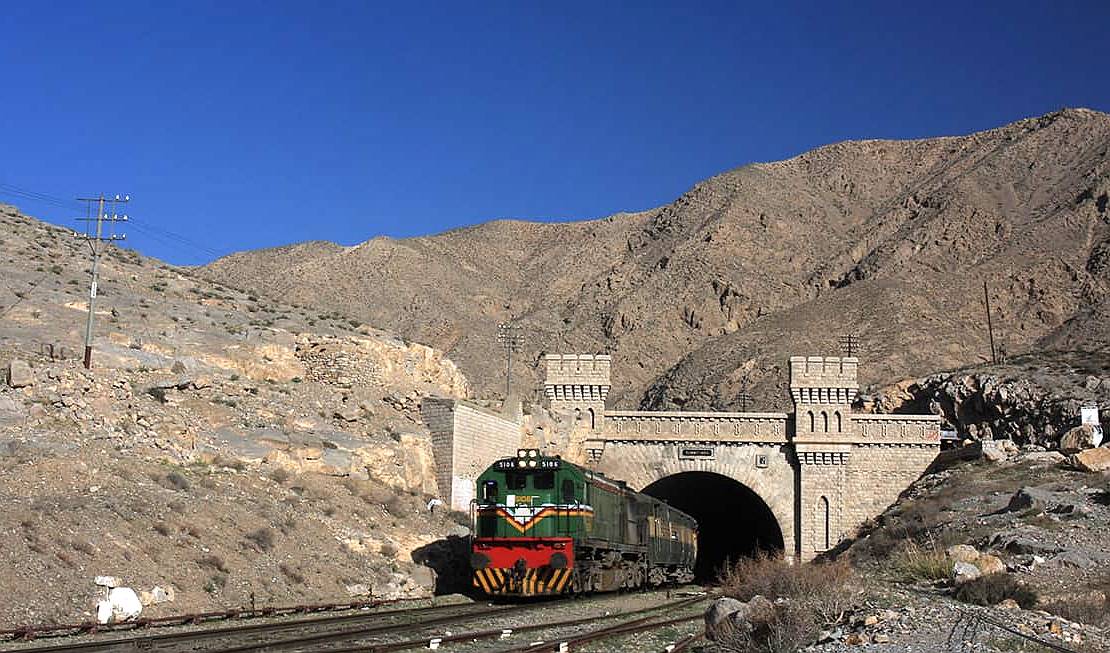
When the British built the Quetta–Sibi–Bolan–Jacobabad line in the late 19th century, it was hailed as one of the most remarkable engineering feats of its time. Tunnels were carved through the mountains, bridges spanned deep gorges, and narrow tracks curved along the steep passes. The line served both as a trade corridor and a strategic military route during the colonial era.
Even today, remnants of this era — stone bridges, signal houses, and tunnels — can be seen, though many are now in ruins. The contrast between the British-era precision and the modern-day decay stands as a painful reminder of lost stewardship.
Collapse of a Public Lifeline
The decline of rail services has hit ordinary people the hardest. For patients seeking treatment in Karachi, students travelling to Sindh and Punjab, or families reuniting with relatives, the lack of affordable rail transport has created immense hardship. Passengers lament that in the past, trains left the platform from morning until late evening — a symbol of life and connectivity. Now, the station lies mostly silent.
The Bolan Mail, once running twice a week to Karachi, has been cancelled for months due to a shortage of locomotives and power units. Federal Railway Minister Hanif Abbasi had announced plans to restore daily service, but the promise remains unfulfilled.
Hope for Revival
Railway officials have stated that if passenger demand increases, more carriages will be added to the existing Jaffar Express, and services like Bolan Mail could be revived. However, without concrete investment, security measures, and modernization, such promises ring hollow.
Balochistan deserves better. With its vast landscapes, mineral wealth, and proximity to Iran and Afghanistan, the province could become a regional transport hub. A modern and secure railway system would not only restore public confidence but also boost tourism and trade.
Conclusion
The railways of Balochistan once carried the dreams of a generation — connecting deserts, mountains, and people. Today, those same tracks are rusting under neglect. Unless there is a national commitment to revive this system, we risk losing a vital part of our heritage forever.
Article by Jamal Panhwar | Published on blog.travel-culture.com