Heavy Rains Flood Rawalpindi and Islamabad: Emergency Declared
Posted on July 17, 2025
Heavy Rains in Islamabad and Rawalpindi Cause Flood Alerts and Disruptions
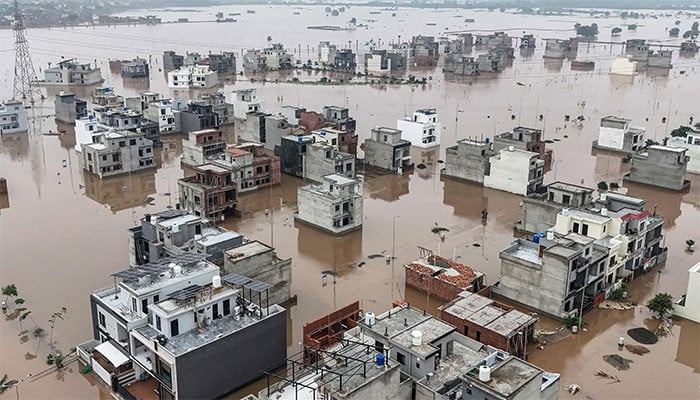
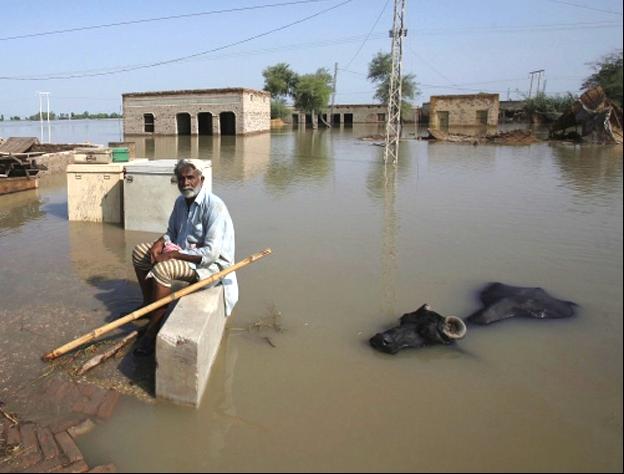
Since last night, heavy monsoon rains have lashed Islamabad and Rawalpindi, flooding streets and disrupting daily life. Islamabad has recorded 186mm of rainfall, while Rawalpindi received over 200mm.
Due to the rising water level in Nullah Lai, sirens were sounded in affected areas, and a state of emergency has been declared. The military is on standby, and citizens have been advised to avoid unnecessary travel.
Low-lying neighborhoods and roads have experienced significant water accumulation. Rescue teams, WASA, and Civil Defense are on high alert. At Katarian, the water level dropped to 15 feet, and at Gawalmandi to 17 feet, offering slight relief but maintaining high risk.
Flight Schedule Disrupted
Heavy rainfall in Islamabad has led to delays and diversions of several flights, with some aircraft landing at alternate airports due to weather conditions.
Evacuation Warnings
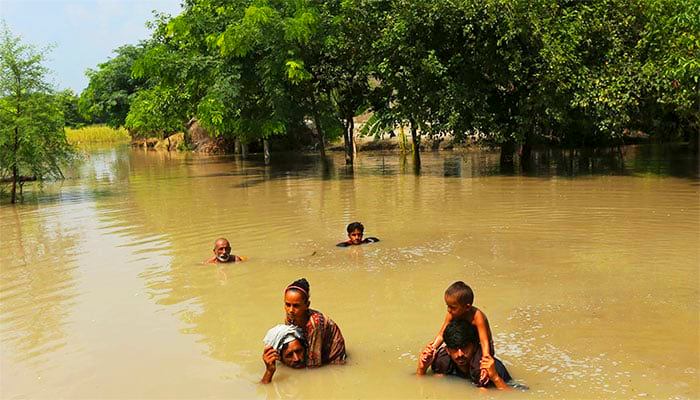
Evacuation warnings have been issued for the areas near Nullah Lai, especially Katarian and Gawalmandi. Residents in nearby areas are advised to relocate to safer ground as water levels continue to rise rapidly.
District Holiday Declared
Due to the weather emergency, the Rawalpindi District Commissioner has declared a one-day holiday. Residents are urged to stay home and avoid non-essential movement.
WASA’s Response and Coordination with Military
Managing Director of WASA, Muhammad Saleem Ashraf, stated that over 230mm of rainfall has been recorded in the twin cities. Emergency teams and heavy machinery have been deployed in flood-prone zones. Nullah Lai’s level has risen to 20 feet at Katarian and 19 feet at Gawalmandi Bridge. WASA has coordinated with the 111 Brigade for military assistance if needed.
Stormwater Drainage in Islamabad
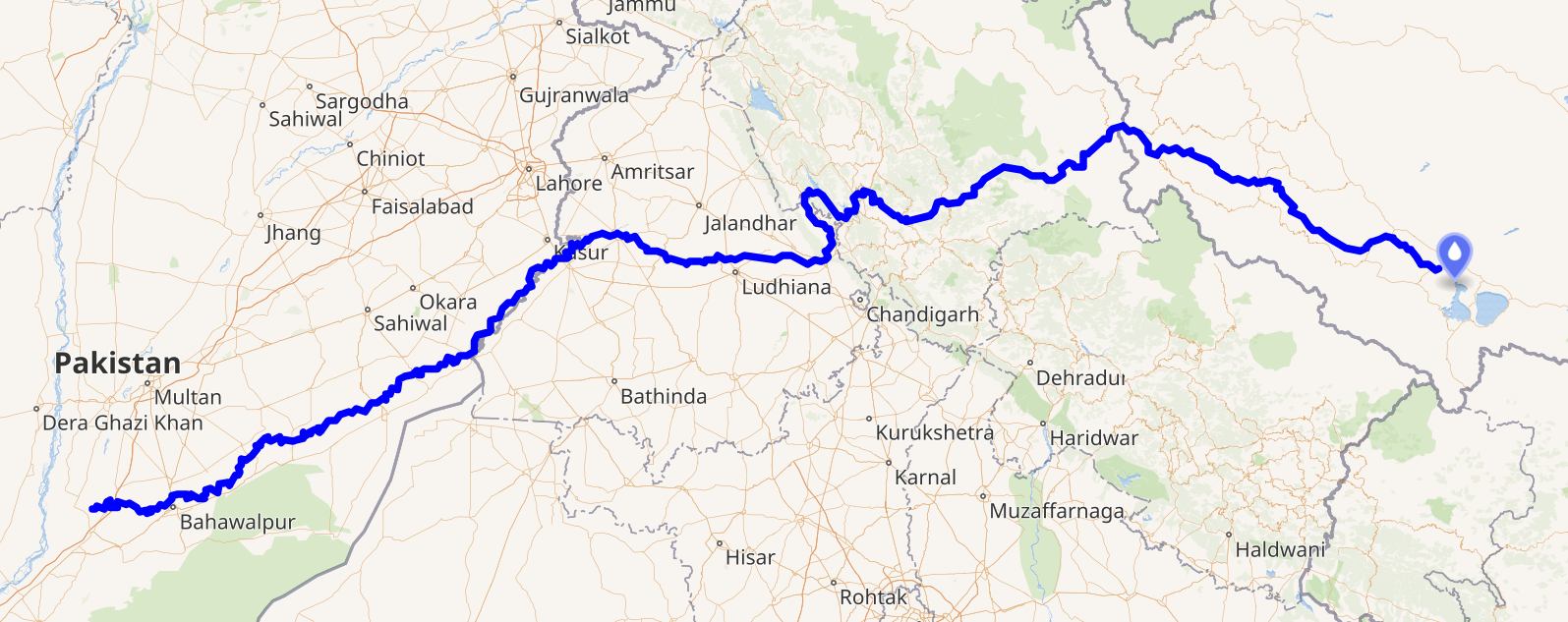
The capital city of Islamabad is designed with an urban stormwater management system that includes a network of open drains, underground sewers, and natural streams. Rainwater from sectors and streets flows into smaller drains that merge into major channels like Nullah Korang and Nullah Lai. These ultimately drain into the Soan River and then to the Indus River Basin. However, due to urban expansion and blocked drains, the system often fails during heavy monsoon spells.
Tragedy in Rawalpindi
A man was swept away near a storm drain at Dhamaial Road in Gulshan Iqbal, Rawalpindi. Rescue efforts are ongoing, with officials confirming he slipped into the flooded drain.
Azad Kashmir and Jhelum Also Affected
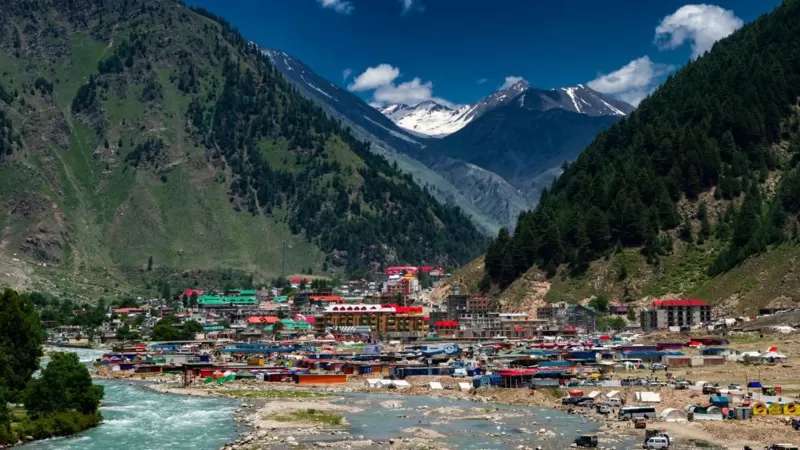
In Neelum Valley, Azad Kashmir, continuous rainfall has raised water levels in the Neelum River and surrounding streams. Meanwhile, flash floods in Jhelum prompted the district administration to request military support to rescue stranded residents.
Citizens are strongly advised to avoid riverbanks and storm drains, follow emergency instructions, and stay indoors unless necessary.