Ramadan in Pakistan: what tourists should expect
UAE announced Ramadan start on 8 Feb — Pakistan likely follows on 9 Feb.
A traveller’s guide to culture, food & rituals, dos & donts in Ramadan.
Welcoming the holy month — Pakistan transforms during Ramadan. Streets get quieter by day, kitchens buzz after sunset, and the hospitality is unmatched. If you’re visiting, here’s a practical, insider look at what’s open, what’s closed, and how to enjoy the spiritual vibe without missing a beat.
1 Public restaurants & cafés stay closed — Most local eateries, street-food stalls, and small cafés shut their doors during daylight hours. You won’t find a quick bite on the go. Plan your daytime meals at your hotel or ask your host for a packed breakfast.
2 Big hotels serve indoors — 5-star and major hotels keep their in-house restaurants open for guests. You can enjoy lunch or brunch inside, but expect a more private setting. Always check with the concierge — some require prior reservation.
3 Offices & markets close early — Government offices, banks, and private companies shift to shorter hours (often 9?am – 2?pm). Most bazaars and shops wrap up by 4?PM, so plan your shopping or errands in the morning.
4 Tourist attractions stay open — Forts, museums, archaeological sites, and scenic viewpoints operate as usual (though with slightly reduced hours). It’s a great time to explore without the usual crowd — just bring your own water bottle and keep it out of sight.
5 Eating in public: not encouraged — Even if you’re not fasting, it’s considered disrespectful to eat, drink, or smoke in plain sight on the street. If you need a snack, step inside a hotel, your car, or a private space. Locals appreciate the gesture.
6 Evenings are a feast — As soon as the sun sets, the vibe flips. Homes and restaurants lay out elaborate Iftar spreads: pakoras, samosas, fruit chaat, dahi bhallay, and kebabs. Many places also offer special Ramadan buffets — a perfect time to dive into Pakistani cuisine.
Extra pearls for the mindful traveller
- Supper after midnight: Many hotels and local spots serve a pre-dawn meal (Sehri). Wake up early to try nihari, halwa puri, or lassi — it’s a cultural ritual.
- Charity & community: Ramadan is all about giving. You’ll see langar (free meals) and food distribution at mosques and street corners. It’s humbling and heartwarming to witness.
- Traffic patterns shift: Expect heavier traffic just before Iftar (sunset) as people rush home. Plan your outings accordingly — and avoid driving 15–20 min before Maghrib.
- Dress modestly: While Pakistan is generally conservative, Ramadan calls for extra coverage. Loose, long clothing is appreciated — and it also protects you from the sun.
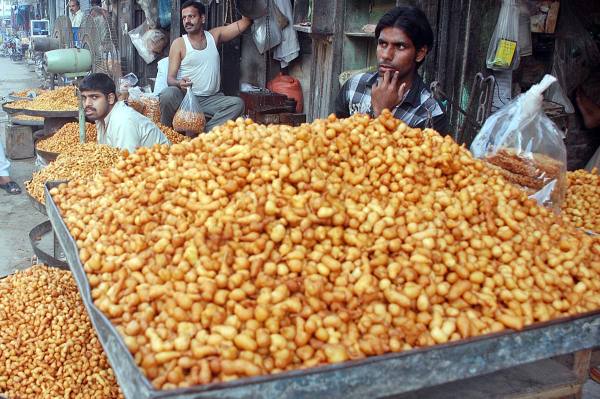
- Ramadan bazaars: Evening markets pop up with festive lights, selling dates, dried fruits, and special sweets. The chaand raat (moon-sighting night) bazaars are especially lively.
?
Insider tip: If you’re invited to an Iftar at a local home — say yes. It’s the warmest way to experience Pakistani culture. And don’t forget to try gulab jamun with a cup of chai after the meal.
? Ramadan 2026 (Pakistan) · expected start: 9 Feb (depending on moon sighting)
? travel-culture.com
? travel-culture.com
? UAE announced 8 Feb as first day of Ramadan · Pakistan traditionally follows a day later (9 Feb).
Always confirm local moon sighting announcements.
Always confirm local moon sighting announcements.
About the Author