Tour Operators Urge Facilitation for Chinese Tourists via Khunjerab Pass
Posted on March 31, 2026
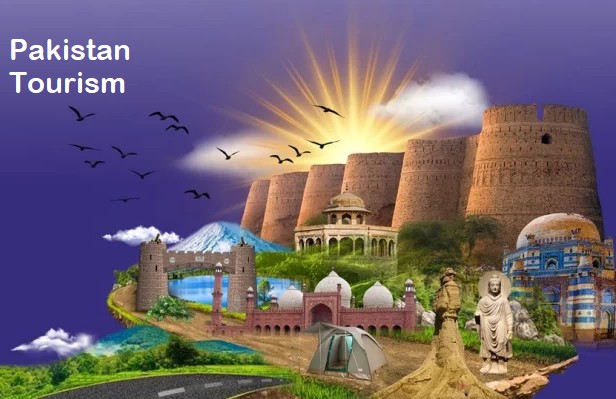
p>GILGIT: As ongoing tensions in the Middle East continue to disrupt global travel patterns, tour operators in Gilgit-Baltistan have raised serious concerns about a potential decline in tourism during the upcoming summer season. With a large number of visitors traditionally arriving from European countries, the current geopolitical situation is expected to significantly reduce tourist inflows, posing a major challenge for the region’s economy, which heavily depends on tourism.
In a joint appeal to federal authorities, leading tourism bodies — including the Pakistan Association of Tour Operators, Gilgit-Baltistan Association of Tour Operators, GB Chamber of Commerce and the Hunza Hotels Association — have urged the government to introduce alternative measures to sustain the industry. One key proposal is to facilitate the entry of Chinese tourists through the Khunjerab Pass by introducing on-arrival visas or special travel permits.
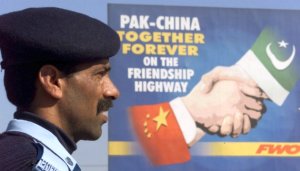
Industry stakeholders point out that China presents a vast and largely untapped tourism market. Millions of domestic tourists visit Xinjiang province every year, generating significant revenue. Given the direct border connection, Pakistan is well positioned to attract a portion of this market by offering simplified entry procedures and targeted incentives for Chinese travelers.
However, tour operators stress that visa facilitation alone is not enough. They emphasize that current security-related travel restrictions for Chinese tourists within Pakistan are complex and difficult to manage. These limitations make it challenging for tour operators to design and promote attractive travel packages. The industry is therefore calling on the government to re-examine and rationalize these security protocols, ensuring safety while making travel more practical and accessible.
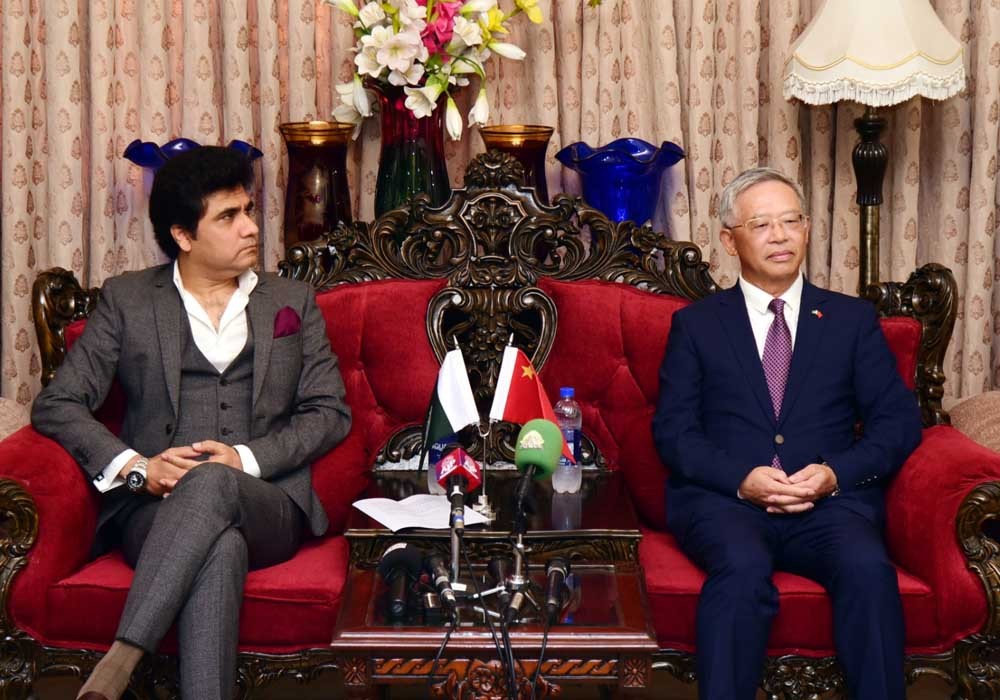
Jamal Panhwar, CEO of Travel & Culture Services Pakistan, noted that travel advisories issued by countries such as the UK have already created uncertainty in the market. He highlighted that Khunjerab Pass offers a viable alternative route to revive tourism, but existing visa and security barriers remain a significant obstacle.
He further suggested that introducing controlled and time-bound access for Chinese tourists — particularly to destinations such as Hunza and Nagar — under special arrangements could provide an immediate boost to the local tourism economy while also strengthening Pakistan-China people-to-people ties.
Tourism stakeholders believe that with the right policy adjustments, Gilgit-Baltistan can offset current losses and tap into one of the world’s largest outbound tourism markets.