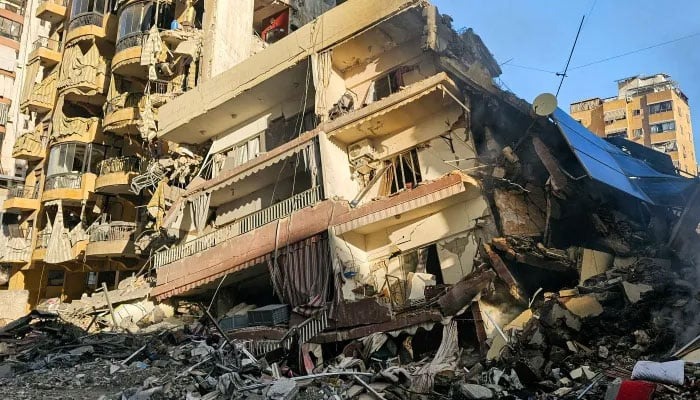
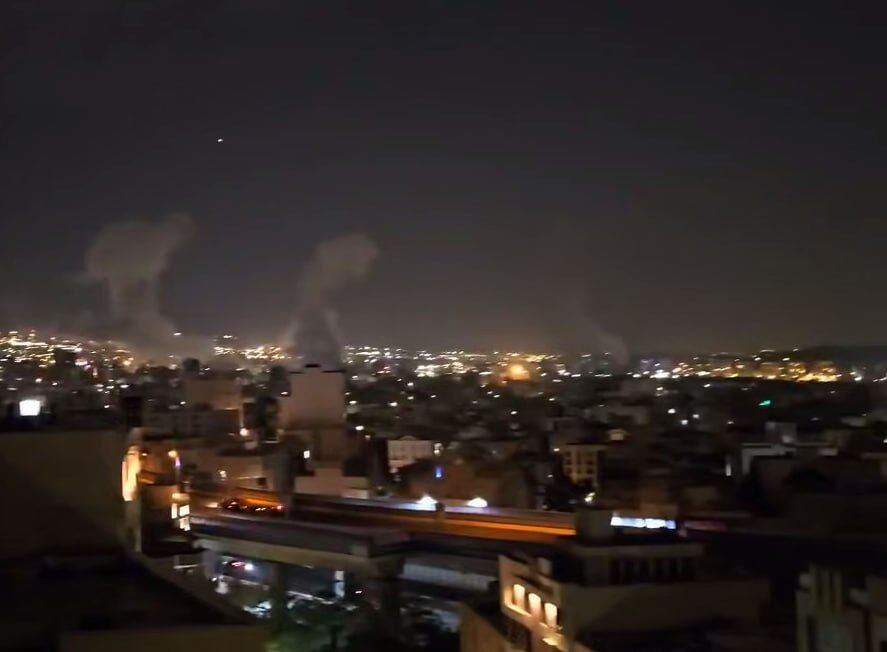
Current look at the war and naratives of US and Iran War
Posted on March 25, 2026
Iran–US Tensions: Confusion Over Talks and Growing Risk of War
There is a lot of confusion right now about what is really happening between the United States and Iran. American officials say talks are ongoing, but Iran clearly says there are no negotiations at all. This leaves many people wondering what the truth really is.
Qatar Trying to Stay Neutral
Qatar is in a sensitive position. It has close ties with the United States, especially in defense, but it has also had decent relations with Iran. Now, Qatari officials are saying they are not involved in any talks between the two sides.
Qatar is home to the Al Udeid Air Base, the largest American military base in the region, just outside Doha. Even with this strong military connection, Qatar has spoken against any war with Iran.
“We speak to the Americans daily, but right now our main concern is protecting our own country.” — Majed Al-Ansari
Messages Are Being Passed, But No Real Talks
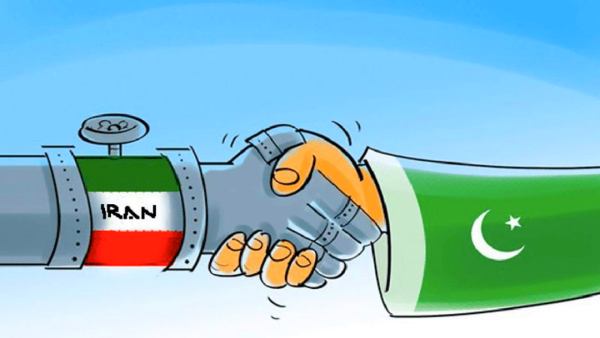
Some countries, including Turkey, Pakistan, and Egypt, are helping pass messages between the United States and Iran. But this is not the same as formal negotiations.
Iran does not seem ready to step back. In fact, its position looks stronger and more firm than before. The more pressure it faces, the less interested it appears in making a deal.
Why the Strait of Hormuz Matters
One of the most important areas in this situation is the Strait of Hormuz. A large part of the world’s oil passes through this narrow waterway. If tensions rise here, it could affect oil prices and economies around the world.
Iran seems to believe it can increase its control in this area. At the same time, when the United States says Iran wants a deal, Iran reacts by moving further away from talks.
Strong Words from Iran
Iranian military officials have responded with strong statements. Without naming the United States directly, they criticized what they called a “self-declared superpower.”
“Have your internal problems become so serious that you are now negotiating with yourselves?”
They also warned that stability in the region will only come when others accept Iran’s strength. According to them, things like investment and stable oil prices will not return unless this reality is understood.
Their message was clear: they are not ready to compromise easily.
Reports of a Proposal
There are reports that former U.S. President Donald Trump mentioned a plan sent to Iran. There is no official confirmation, but media reports suggest it included several major demands.
Closing down key nuclear facilities
Allowing full international inspection
Stopping support for armed groups in the region
Giving up nuclear weapons ambitions
Stopping uranium enrichment inside the country
Keeping the Strait of Hormuz open for global trade
Limiting missile programs
In return, Iran could receive help with civilian nuclear energy and relief from economic sanctions.
The Bigger Picture
Tensions between the United States and Iran have been building for years, especially after the U.S. left the 2015 nuclear agreement. Since then, sanctions have increased, and Iran has expanded its nuclear activities.
Many experts worry that if things continue in this direction, the situation could turn into a larger conflict. This would not only affect the Middle East but could also impact the global economy, especially oil markets.