Skip to content

Pakistan Travel & Culture

Pakistan Travel & Tourism, culture, history and news articles.

Menu
  • Home
  • About us
    • Advertise on our website
    • Writers Required
  • Email US
  • Pakistan Tours
    • Culture Tours
    • 7 Days Silkroad
    • Pakistan Cities
    • 14 Days Mountains
    • UNESCO Sites Tour
  • Umrah Packages
  • Pakistan Guide
    • Karachi Guide
    • Lahore
    • Islamabad
    • Peshawar
    • Quetta
    • Gilgit
Menu

The Hidden Environmental Cost of War | Pollution, Oil Fires and Rebuilding Cities

Posted on March 11, 2026


War destroys cities and causes human suffering, but it also creates a serious environmental disaster. When buildings collapse and oil facilities burn, the damage spreads far beyond the battlefield.

Concrete, steel, glass and fuel are all products that come from the earth. When these materials are destroyed, they must be produced again. This means that nature pays the price twice.

The First Damage: Destruction

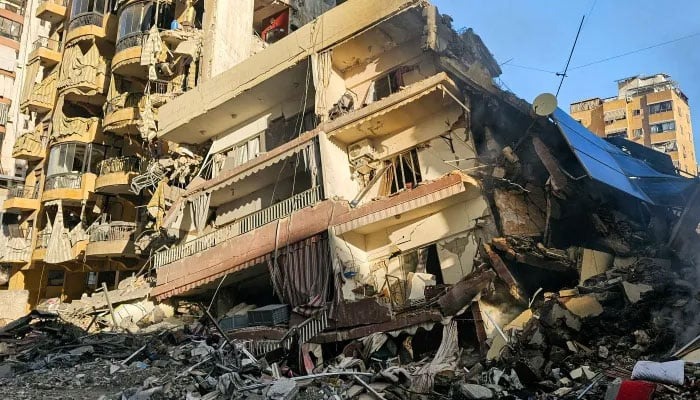
When cities are bombed, buildings collapse and produce millions of tons of debris. Concrete dust spreads into the air and can contain dangerous particles. Fires release toxic smoke that affects air quality.

Fuel depots, pipelines and oil storage facilities may also burn during conflicts. These fires release thick smoke, carbon dioxide and other harmful gases into the atmosphere.

The Second Damage: Extracting New Resources

After war, cities must be rebuilt. This requires huge quantities of natural materials.

  • Limestone and clay from mountains are used to produce cement.
  • Sand and gravel are taken from rivers and quarries.
  • Iron ore is mined to produce steel.

Every destroyed building means that more natural resources must be taken from the earth.

The Third Damage: Reconstruction Pollution

Reconstruction requires cement factories, steel production, transportation trucks and heavy machinery. These activities consume large amounts of energy and release greenhouse gases.

Cement production alone produces a large share of global carbon emissions. As a result, rebuilding destroyed cities increases environmental pressure on the planet.

Why This Affects the Whole World

The atmosphere does not have borders. Smoke and pollution from large fires can travel thousands of kilometers through the air.

When oil fields or fuel depots burn, the smoke rises high into the sky and spreads across regions. These particles can influence weather systems and reduce air quality in distant areas.

During the 1991 Gulf War, hundreds of oil wells burned for months, creating massive clouds of smoke that affected the environment across the region.

A Global Responsibility

Mountains, rivers, forests and the atmosphere are shared by all humanity. Environmental damage from war does not stay in one country.

Preventing conflict is not only a humanitarian goal. It is also important for protecting the earth’s climate and natural resources.

Conclusion

War destroys buildings and lives, but it also damages nature in ways that may last for generations. Burning oil, polluted air, and the need to mine new materials all increase the environmental cost.

Understanding these hidden costs reminds us that protecting peace is also a way of protecting the planet.
Related Articles

  • Mountains of Pakistan
  • Northern Areas of Pakistan Travel Guide
  • Climate Change and Global Travel
  • K2 – The Second Highest Mountain in the World

Related Posts:

  • Pakistan largest Natural Gas user for vehicles
    Pakistan largest Natural Gas user for vehicles
  • Karakoram: Hidden Treasures in the Northern Areas of Pakistan
    Karakoram: Hidden Treasures in the Northern Areas of…
  • Environmental Science: Towards a Sustainable Future
    Environmental Science: Towards a Sustainable Future
  • stone-crushing-islamabad
    Greed eats into mighty Margallas
  • Forgotten Cities of the Indus
    Forgotten Cities of the Indus
  • Ancient Cities of the Indus Valley Civilization
    Ancient Cities of the Indus Valley Civilization

Leave a Reply

You must be logged in to post a comment.

  • Advertisements
  • Airlines in Pakistan
  • Archeology & History
  • Articles
  • Books about Pakistan
  • General
  • gilgit-baltistan
  • Hajj & Umrah Packages
  • Images of Pakistan
  • International Travel Deals
  • Jobs in Pakistan
  • Life in Pakistan
  • Mountain Expeditions
  • Pakistan Art
  • Pakistan Business News
  • Pakistan Events/Conferences
  • Pakistan General News
  • Pakistan Hotels News
  • Pakistan News
  • Pakistan People
  • Pakistan Travel News
  • Pakistani Leaders Speeches
  • Pakistani News Cartoons
  • Pakistani Videos
  • Places in Pakistan
  • Scholarship Announcements
  • Scholarships
  • Science and Technology
  • Singers and Instuments
  • Sufis of Pakistan
  • WikiLeaks
  • Workingmen
  • About us
  • Advertise on our website
  • Email US
  • Hunza Valley
  • Pakistan Pictures
  • Privacy Policy
  • Writers Required
  • Advertisements
  • Airlines in Pakistan
  • Archeology & History
  • Articles
  • Books about Pakistan
  • General
  • gilgit-baltistan
  • Hajj & Umrah Packages
  • Images of Pakistan
  • International Travel Deals
  • Jobs in Pakistan
  • Life in Pakistan
  • Mountain Expeditions
  • Pakistan Art
  • Pakistan Business News
  • Pakistan Events/Conferences
  • Pakistan General News
  • Pakistan Hotels News
  • Pakistan News
  • Pakistan People
  • Pakistan Travel News
  • Pakistani Leaders Speeches
  • Pakistani News Cartoons
  • Pakistani Videos
  • Places in Pakistan
  • Scholarship Announcements
  • Scholarships
  • Science and Technology
  • Singers and Instuments
  • Sufis of Pakistan
  • WikiLeaks
  • Workingmen
  • The Hidden Environmental Cost of War | Pollution, Oil Fires and Rebuilding Cities
  • PTDC, ACP, COTHM and PATO Join Hands to Launch National Tour Guides Training Program
  • Pakistan Railways Karachi Division – Job Vacancies
  • SSGC Employment Opportunities – Specialized Positions
  • Ministry of climate change, MoCC&EC Career Opportunities – PSDP Project
©2026 Pakistan Travel & Culture | Design: Newspaperly WordPress Theme