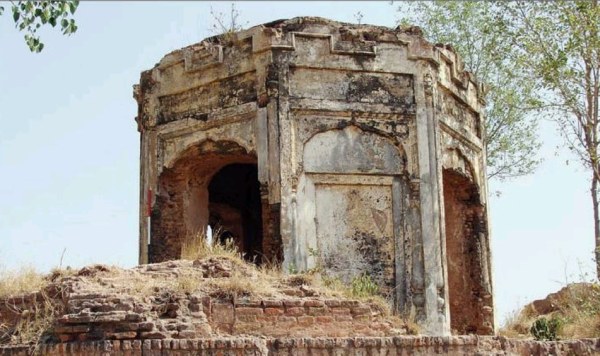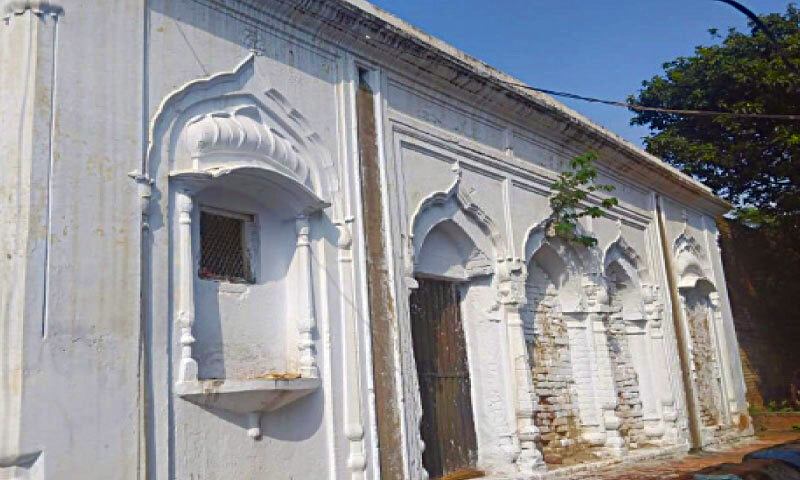
Kahuta, a small town only 35–40 km from Islamabad, is more famous today for its nuclear facility. Yet, hidden in its narrow streets and hills are centuries-old Hindu temples and Sikh gurdwaras – relics of a time when people of all religions lived side by side in harmony. Sadly, many of these temples are now abandoned, encroached upon, and slowly crumbling.
A Town of Shared Faiths
The story of Kahuta goes back to the Mughal period. Some temples here date as far back as the 16th century during Emperor Humayun’s reign. The most recent ones were built in the early 1900s, when Kahuta became a tehsil headquarters. The town was first settled by the Janjua Rajputs, later joined by Hindu Khatris and Sikhs, especially under the rule of Maharaja Ranjit Singh.
Before Partition in 1947, Kahuta had a population of around 1,500 Muslims and 2,000 Hindus and Sikhs. The town was known for its wooden houses, intricate balconies, and narrow bazaar streets. At dawn and dusk, the sounds of temple bells and conch shells would mix with the Azaan (Muslim call to prayer), creating an atmosphere of interfaith peace. Lamps lit up temples, mosques, and dharamshalas, giving the town a festive glow every evening.
The Bohar Bazaar Temple
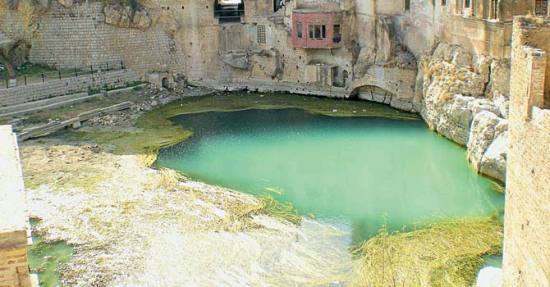
One of the most famous landmarks of Kahuta was the Bohar Bazaar temple. It had beautiful tile work, golden domes, and even a ritual bathing pond where both Hindu and Sikh children used to play. Today, however, the temple is surrounded by shops and encroachments. The pond has been filled in, and much of the temple’s beauty has been lost. What remains is only a shadow of its glorious past.
Memories of a Shared Past
Local elders still remember those days of harmony. A 90-year-old resident, known as Butt, recalls how he used to sit with his Hindu friend Hari Kishan Lal, who ran a Parshad shop near the temple. He remembers eating halwa served on banyan leaves and watching young Hindu girls play around the temple grounds. These memories reflect the warmth and coexistence that once defined Kahuta.
Why Preservation Matters
Today, these temples and dharamshalas are falling victim to neglect and encroachment. Instead of preserving this shared history, commercial buildings have surrounded them, hiding their presence. Yet, if restored, they could attract religious tourism and show future generations that people of different faiths once lived together in peace and respect.
Kahuta’s temples are not just old buildings – they are symbols of interfaith harmony and witnesses of history. Restoring them would not only protect cultural heritage but also send a strong message of tolerance to the world. With Islamabad just an hour’s drive away, Kahuta could easily become a heritage tourism destination for both Pakistanis and international visitors.
Final Word
The abandoned temples of Kahuta stand as silent reminders of a golden past and also of the mistakes of neglect. If the government and local authorities take action, these sites could be revitalized, promoting harmony and tourism. It is time to reclaim this forgotten heritage and let the temple bells and Azaan echo together once again in the valleys of Kahuta.